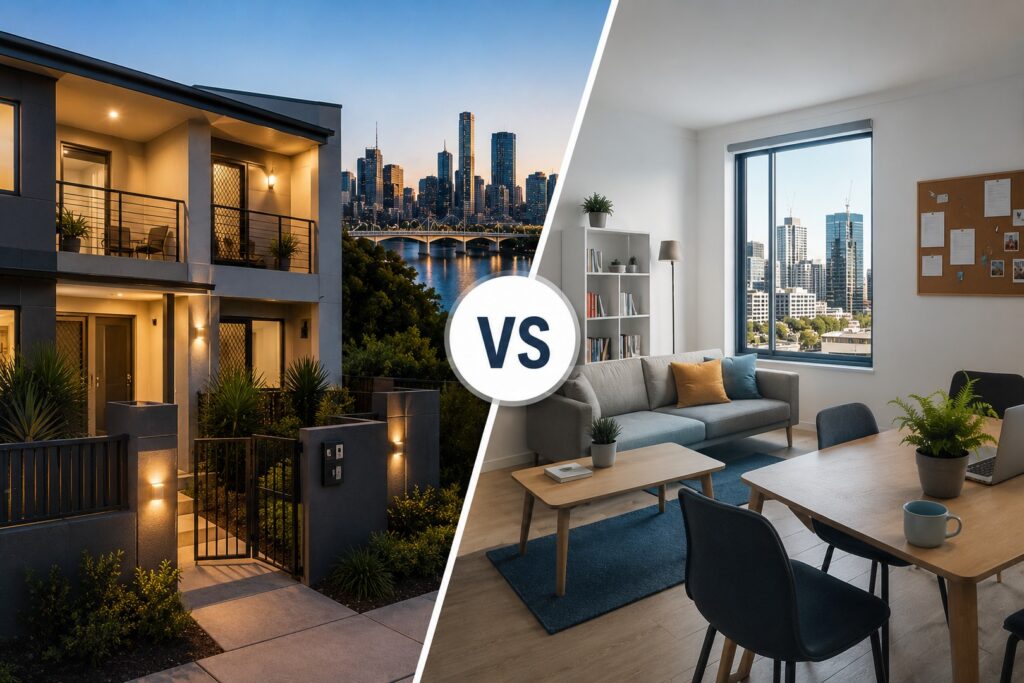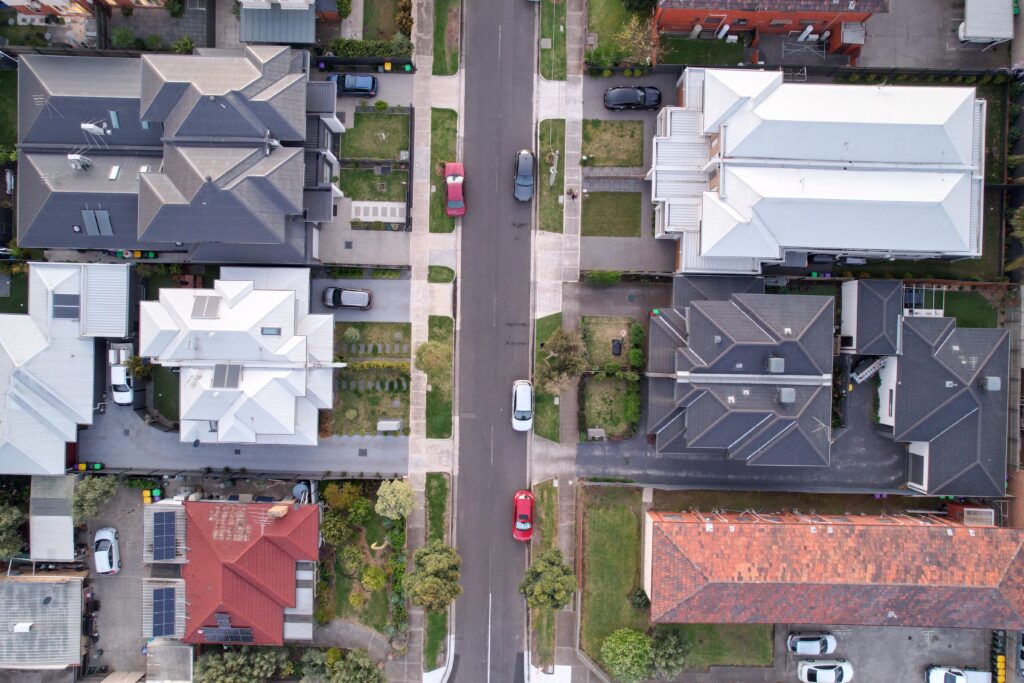
Choosing the right Brisbane suburb for rooming house development determines whether your investment generates consistent returns or struggles with vacancies and tenant problems. Location matters more than property quality when targeting demographics that rely on affordable, flexible accommodation near employment and transport.
The best-performing suburbs in 2026 share specific characteristics that savvy investors understand before committing capital to development projects.
Inner-Ring Suburbs: Premium Locations, Premium Returns
Areas within 5 to 8 kilometers of Brisbane’s CBD continue delivering strong performance for rooming houses despite higher land costs. Suburbs like Woolloongabba, Highgate Hill and Greenslopes combine proximity to major employment centres with established rental demand from students, young professionals and essential workers.
These locations support higher weekly room rates while maintaining strong occupancy because tenants value reduced commute times and access to urban amenities. An investment housing developer in Brisbane working in these areas typically sees rental returns between $450 and $550 per week per room, depending on property quality and specific location.
The challenge involves finding suitable sites where zoning permits rooming houses and land prices haven’t climbed beyond what rental returns can justify. Property development consultancy services help identify pockets within these suburbs where development still makes financial sense.
Transport Corridor Suburbs: Value Meets Accessibility
Suburbs along major transport routes offer compelling opportunities where lower land costs combine with accessibility that tenants need. Areas like Annerley, Salisbury and Moorooka benefit from train stations and bus routes connecting to major employment hubs while maintaining more affordable entry prices than inner-ring locations.
Smart housing solutions Brisbane investors implementing in these areas recognize that tenants prioritize transport access over trendy cafe strips. A well-maintained rooming house within walking distance of reliable public transport outperforms properties in supposedly better suburbs where tenants need cars to function.
Room rates in these locations typically range from $400 to $560 weekly, with occupancy rates matching or exceeding those in more expensive areas when properties are well managed and maintained.
Growth Corridor Considerations
Brisbane’s northern and southern growth corridors present different opportunities requiring careful evaluation. Areas like Caboolture, Beenleigh and Logan Central offer significantly lower land costs but serve different tenant demographics than inner suburbs.
These locations work best for rooming houses targeting essential workers in local industries, apprentices and people transitioning between housing situations rather than students or young professionals. Understanding local employment patterns and tenant needs becomes critical because what works in Woolloongabba fails in Caboolture if you’re targeting the wrong market.
Smarter housing strategies in growth corridors focus on providing quality accommodation at price points local markets can sustain rather than trying to command inner-city rental rates in suburban locations.
University Proximity Suburbs
Suburbs near major universities and TAFEs maintain consistent demand from students needing affordable accommodation close to campus. Areas like St Lucia surrounds Kelvin Grove and Nathan benefit from stable tenant pools that renew annually with incoming students.
The student market requires understanding academic calendars, managing higher turnover rates and potentially dealing with longer vacancy periods during summer breaks. However, proximity to educational institutions provides reliable demand that weathers economic cycles better than employment-dependent locations.
Emerging Hotspots Worth Watching
Several Brisbane suburbs are transitioning from residential-only areas to mixed-use zones where rooming houses increasingly gain approval. Suburbs like Coorparoo, Carina, Acacia Ridge, Mount Gravatt and parts of Logan are seeing rezoning that creates development opportunities before land prices fully reflect new potential uses.
Working with experienced property development consultancy teams helps identify these emerging opportunities where current zoning changes haven’t yet attracted widespread investor attention. First movers in these areas often secure better sites at more favourable prices than those arriving after trends become obvious.
Avoiding Common Location Mistakes
Not every suburb with cheap land represents a good investment opportunity. Areas with limited employment options, poor transport connectivity, or declining populations struggle regardless of how affordable properties are to acquire. Similarly, suburbs experiencing rapid gentrification might price rooming houses out of their target market as surrounding property values climb.
The best locations balance current rental demand with stable or improving fundamentals that sustain performance over investment timeframes measured in years rather than months.
Key Takeaways
- Inner-ring suburbs deliver premium returns but require higher capital investment and careful site selection
- Transport corridor locations balance affordability with accessibility that tenants prioritize
- Growth corridor opportunities serve different demographics, requiring market-appropriate strategies
- University proximity provides stable demand with predictable seasonal patterns
- Emerging hotspots offer first-mover advantages before land prices fully adjust
- Avoid locations with poor transport, limited employment, or declining population fundamentals
- Success requires matching property type and quality to specific suburb demographics and rental expectations
Looking to identify the right Brisbane suburb for your rooming house development? Connect with our property development and design team for location analysis and investment guidance based on current market conditions.