Property investment strategy has changed significantly in Brisbane over the past five years. The old playbook of buying whatever you could afford in a decent suburb and hoping for capital growth doesn’t cut it anymore. Interest rates have been volatile, rental yields on traditional properties barely cover costs and competition for standard investment properties keeps pushing prices higher while returns stay flat.
Investors who want actual cash flow and portfolio growth need to think differently. They need strategies that generate income from day one, diversify risk across multiple income streams and take advantage of undersupplied market segments where demand consistently outstrips availability.
This is exactly where rooming houses fit into a smart Brisbane investment strategy. They’re not some niche asset class only for experienced developers. When structured properly, rooming houses offer accessible entry points, strong yields, manageable risk and genuine wealth-building potential for investors at different stages.
Indigo Construction Company has watched this shift happen firsthand. As an investment housing developer in Brisbane, they’ve helped dozens of investors integrate rooming houses into their portfolios through smart housing solutions and property development consultancy that focuses on real returns, not just construction.
Let’s break down how rooming houses actually work as an investment strategy, where they fit in a diversified portfolio and how to approach them in a way that builds wealth instead of creating headaches.
Why Rooming Houses Fit Today’s Brisbane Market
Brisbane’s property market has specific characteristics that make rooming houses particularly attractive right now.
Strong Rental Demand, Limited Supply
Brisbane’s population continues growing through interstate migration and international arrivals. Universities, hospitals and expanding employment sectors all create demand for affordable, flexible accommodation. But the supply of quality rooming houses hasn’t kept pace. This supply-demand imbalance supports strong occupancy rates and stable rental pricing.
Yield Gap Compared to Traditional Property
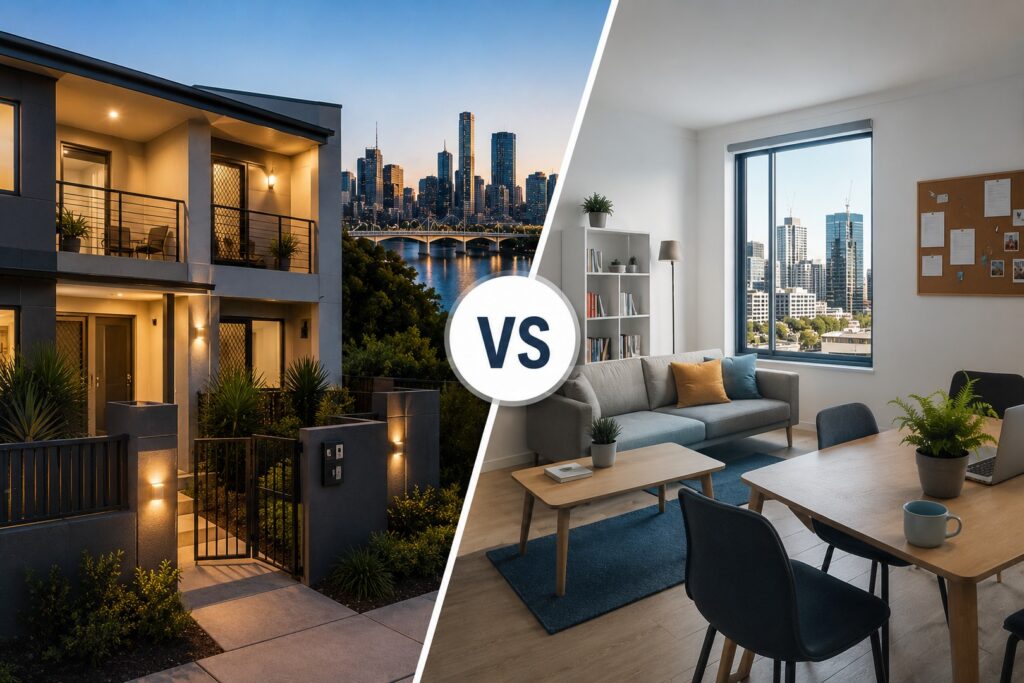
Standard Brisbane houses deliver gross yields around 3 to 5 per cent. Apartments might push 4 to 6 per cent. Purpose-built rooming houses routinely achieve 8 to 12 per cent or higher. That yield gap isn’t marginal. It’s the difference between subsidising a property and generating genuine cash flow.
Affordability Crisis Creating Tenant Pool
Brisbane’s housing affordability challenges have created a large pool of people who need accommodation but can’t afford or don’t want full rental properties. Students, young professionals, shift workers, temporary residents and people transitioning between living situations all need exactly what rooming houses provide.
Capital Growth Potential
While yield is the primary attraction, well-located rooming houses in areas with strong employment and infrastructure development still benefit from capital appreciation over time. You’re not sacrificing growth for income. You’re getting both.
How Rooming Houses Generate Superior Yields
The yield advantage comes from a simple concept. Instead of one tenant paying one rent for an entire property, multiple tenants each pay rent for individual rooms. The combined income from all rooms exceeds what the property would generate as a standard rental.
Let’s look at a practical example. A four-bedroom house in a decent Brisbane suburb might rent for $650 per week. Annual gross income is around $33,800. If that property cost $700,000, your gross yield is about 4.8 per cent.
Now take a similar property converted or purpose-built as a rooming house with six bedrooms. Each room rents for $200 per week. Total income is $1,200 weekly or $62,400 annually. On the same $700,000 investment, gross yield jumps to 8.9 per cent.
That extra income dramatically changes your holding capacity, ability to service debt and speed of equity accumulation.
Indigo Construction Company’s smart housing solutions optimise this yield equation by designing rooming houses that maximise rentable space without sacrificing comfort or compliance.
Rooming Houses as Portfolio Diversification
Smart investors don’t put all their capital into one asset type. Diversification spreads risk and creates income stability.
Multiple Income Streams from One Asset
With a standard rental, one tenant leaving means 100 per cent income loss until you find a replacement. With a rooming house, one tenant leaving might mean a 15 to 20 per cent income reduction, but the other rooms keep generating cash flow. This income diversification reduces vulnerability to vacancy.
Different Tenant Profile
Rooming houses attract different tenants than standard rentals. This demographic diversification means your portfolio isn’t entirely dependent on one market segment. If family rentals soften, rooming house demand might stay strong because it serves students, workers and temporary residents.
Asset Type Variety
Combining rooming houses with traditional houses or apartments creates portfolio balance. Different asset types perform differently in various market conditions, smoothing overall returns.
Capital Requirements and Financing
One common misconception is that rooming houses require massive capital or are hard to finance. Reality is more nuanced.
Entry Points Vary Widely
You can build a smaller six-bedroom rooming house on a modest block for $600,000 to $800,000 in many Brisbane suburbs. Larger properties on bigger sites might cost $1.2 million to $1.8 million. There are entry points at different capital levels.
Financing Considerations
Traditional lenders have become more comfortable with rooming houses as the asset class has matured. Strong rental income helps service loans and lenders increasingly recognise rooming houses as viable investment properties. That said, some lenders still prefer traditional assets, so working with mortgage brokers experienced in rooming house finance helps.
Return on Investment Timeline
Because yields are higher, rooming houses often generate positive cash flow from year one, unlike many traditional investments that stay negatively geared for years. This accelerates equity building and enables faster portfolio expansion.
Indigo Construction Company’s property development consultancy includes financial feasibility analysis to help investors understand capital requirements, expected returns and financing pathways before committing.

Location Strategy for Rooming House Investment
Location drives demand, which drives occupancy, which drives returns. Rooming house location strategy differs slightly from traditional property investment.
Proximity to Employment and Education
Areas near universities, TAFEs, hospitals, industrial zones and major employment centres create consistent tenant demand. Workers and students want shorter commutes and easy access.
Transport Connectivity
Many rooming house tenants don’t own cars. Locations with good bus routes, train access, or bike-friendly infrastructure attract broader tenant pools.
Local Amenities
Shops, cafes, gyms, medical services and parks within walking distance improve liveability, which supports higher rents and longer tenant stays.
Development and Infrastructure Growth
Areas experiencing infrastructure investment, rezoning, or major projects often see strengthening demand as employment opportunities expand.
Brisbane suburbs like Woolloongabba, Toowong, Taringa, Salisbury, Stones Corner and areas along major transport corridors often work well for rooming house investment due to proximity to universities, hospitals and employment.
Active vs Passive Management
Rooming houses require more active management than standard rentals. Understanding this upfront helps set realistic expectations.
Self-Management
Some investors self-manage to maximise returns. This involves tenant screening, rent collection, maintenance coordination, inspections and conflict resolution. It’s more hands-on but keeps management fees in your pocket.
Professional Management
Hiring experienced property managers reduces workload but adds costs. Good managers earn their fees by maintaining high occupancy, screening quality tenants and handling issues efficiently.
Systems and Processes
Whether self-managing or using a professional, having clear systems for rent payment, maintenance requests, house rules and communication keeps operations smooth.
The management approach you choose affects net returns, so it should be factored into your investment strategy from the beginning.
Risk Management and Mitigation
Every investment carries risk. Smart investors identify risks and build strategies to mitigate them.
Tenant Turnover
Multiple tenants mean more turnover potential. Mitigate this by creating comfortable spaces that encourage longer stays, screening tenants carefully and maintaining the property well.
Maintenance and Wear
More occupants means more wear. Budget for regular maintenance, use durable materials and address issues promptly to prevent small problems from becoming expensive repairs.
Regulatory Changes
Rooming house regulations can evolve. Stay informed about compliance requirements and maintain properties to high standards that exceed minimum regulations.
Market Cyclicality
While rooming house demand is generally stable, broader economic conditions affect all property. Diversify your portfolio and maintain cash reserves to weather market fluctuations.
Building Equity and Wealth Over Time
The real power of rooming house investment isn’t just the initial yield. It’s the compounding effect of strong cash flow accelerating equity growth.
Positive Cash Flow Fuels Growth
Properties that generate income after expenses create surplus capital. This cash flow can service additional loans, fund more investments, or build reserves.
Faster Debt Reduction
Higher rental income enables faster loan repayment if you choose to apply the surplus toward principal reduction, building equity more quickly.
Portfolio Expansion
Strong cash flow and growing equity create borrowing capacity for additional investments. This acceleration effect helps build wealth faster than negatively geared strategies.
Tax Efficiency
Rooming houses offer similar tax benefits to traditional rentals, including depreciation, interest deductions and expense claims. Combined with positive cash flow, the tax efficiency can be compelling.
Purpose-Built vs Conversion Strategy
Investors can either convert existing houses into rooming houses or build purpose-built properties. Each approach has pros and cons.
Conversions
Converting an existing house can have lower upfront costs and faster timelines. However, compromises on layout efficiency, compliance upgrades and ongoing functionality often reduce long-term performance.
Purpose-Built
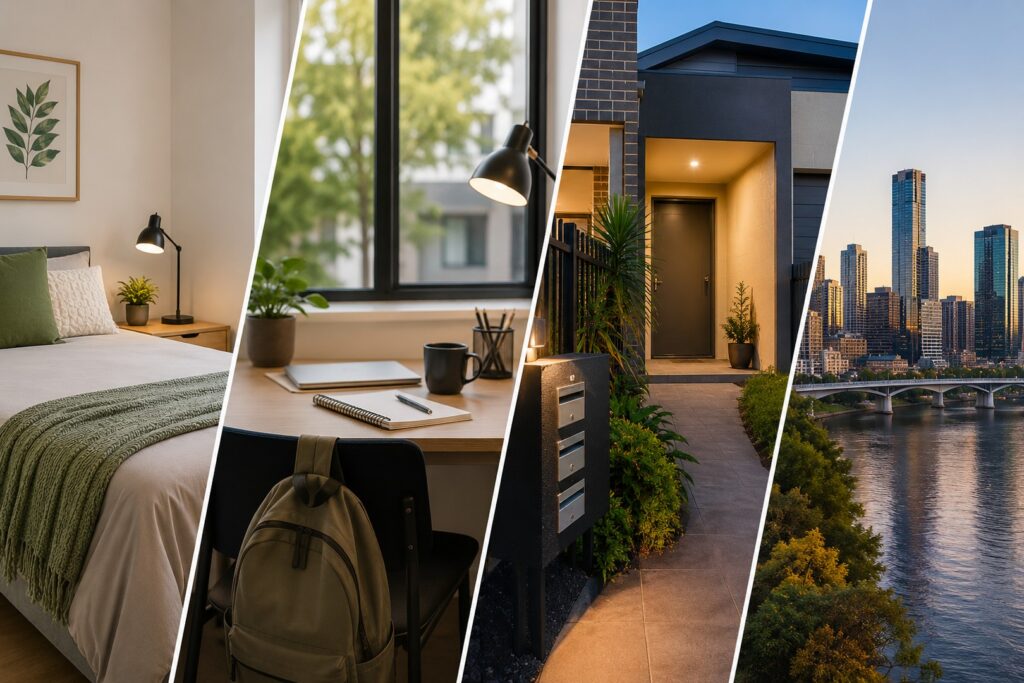
Purpose-built rooming houses designed specifically for multi-tenant living optimise layout, compliance, efficiency and comfort from day one. They typically deliver higher yields, lower maintenance and better tenant retention.
Indigo Construction Company’s investment housing developer experience focuses on purpose-built properties because they consistently outperform conversions in yield, tenant satisfaction and long-term value.
How Indigo Construction Company Supports Investment Strategy
Integrating rooming houses into your investment strategy works best with experienced guidance. Indigo Construction Company provides comprehensive property development consultancy covering:
Feasibility Analysis
Assessing potential sites, running financial projections, identifying risks and determining whether a project aligns with your investment goals before significant capital commitment.
Design Optimization
Creating layouts that maximise yield without compromising liveability, compliance, or future flexibility.
Compliance Management
Navigating council approvals, building certifications and licensing requirements efficiently.
Construction Quality
Building properties that last, require minimal maintenance and continue performing well years after handover.
Ongoing Support
Providing guidance on management strategies, tenant selection and operational best practices.
Their smart housing solutions are specifically designed to deliver the yields and stability that make rooming houses valuable portfolio additions. You can explore their approach at IndigoConstructionCompany.com.au.
Key Takeaways
Rooming houses deliver yields of 8 to 12 per cent or more in Brisbane, dramatically outperforming traditional rentals and apartments that struggle to exceed 5 per cent. This yield gap creates genuine cash flow instead of properties that barely cover their costs. The income advantage comes from multiple tenants each paying rent for individual rooms, with total combined income far exceeding what the property would generate as a standard rental.
Portfolio diversification improves with rooming houses because income streams from multiple tenants reduce vacancy risk. One tenant leaving affects only 15 to 20 per cent of total income rather than creating complete income loss like standard rentals. Rooming houses also serve different tenant demographics than traditional properties, spreading risk across market segments.
Brisbane’s supply-demand dynamics favour rooming houses. Strong population growth, expanding universities and hospitals and housing affordability challenges create consistent demand for flexible, affordable accommodation. Quality rooming house supply hasn’t kept pace, supporting strong occupancy and stable rents.
Location strategy focuses on proximity to employment, education and transport. Areas near universities, hospitals, industrial zones and major transport corridors generate the most consistent tenant demand. Local amenities and infrastructure development further strengthen location value.
Purpose-built rooming houses outperform conversions. Properties designed specifically for multi-tenant living optimise layout efficiency, compliance, comfort and operational functionality in ways that conversions simply can’t match. This translates to higher yields, lower maintenance and better tenant retention.
Positive cash flow accelerates wealth building. Unlike negatively geared strategies that drain capital for years, rooming houses often generate surplus income from year one. This cash flow services additional investments, builds equity faster and enables portfolio expansion. Indigo Construction Company’s property development consultancy and smart housing solutions help Brisbane investors integrate high-performing rooming houses into wealth-building strategies. Explore their investment-focused approach at IndigoConstructionCompany.com.au.