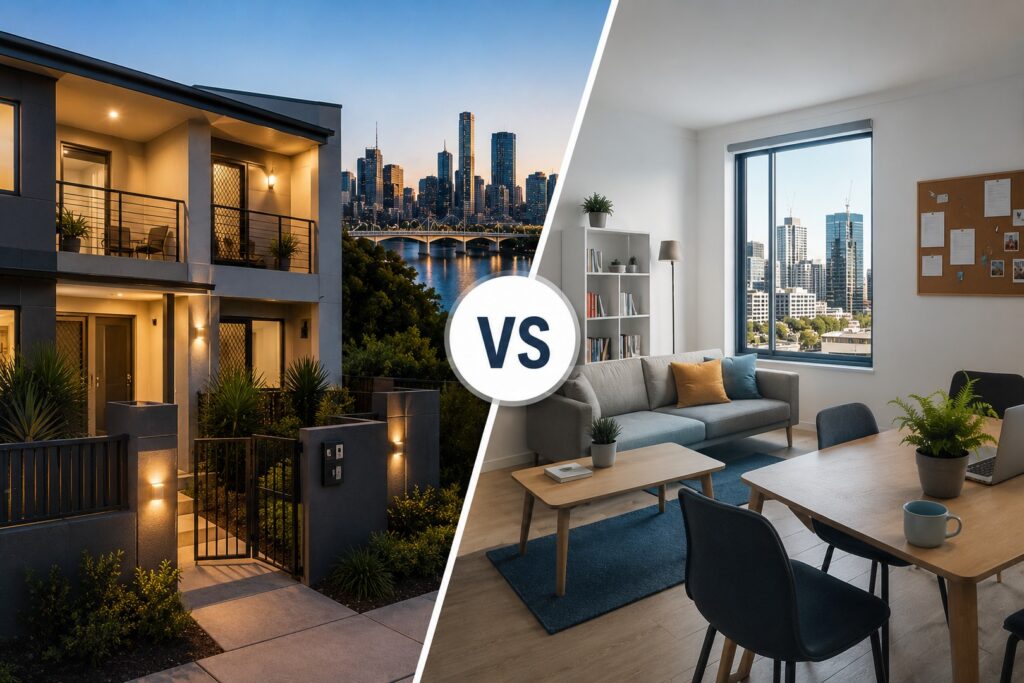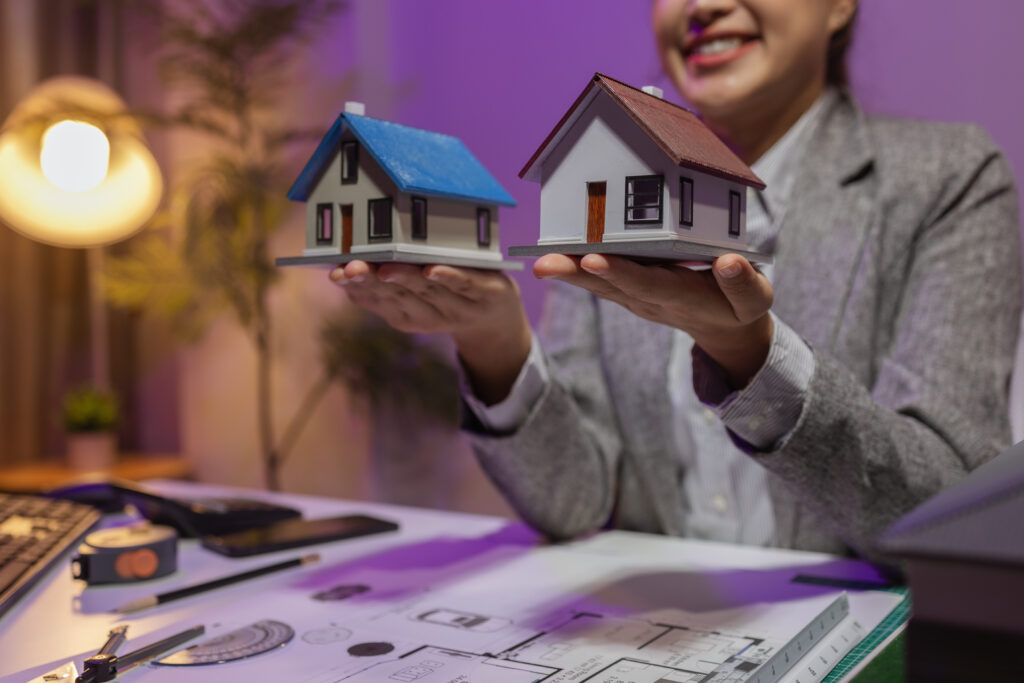
The decision between building a purpose-designed rooming house or purchasing an existing operation isn’t just about comparing price tags. Each approach carries different risk profiles, timeline considerations and ultimate return potentials that shift depending on your capital position, experience level and investment timeframe.
Understanding the real differences helps investors choose the path that actually suits their situation rather than following conventional wisdom that might not apply to their circumstances.
The Case for Building New
Purpose-built rooming houses designed from inception specifically for multiple occupants avoid the compromises inherent in conversions. You control bedroom sizes, bathroom ratios, acoustic separation and common area layouts rather than working within the constraints of existing floor plans never intended for shared living.
Smart housing solutions Brisbane developers implement AI optimisation for both tenant experience and operational efficiency. Kitchen layouts accommodate multiple users, bedrooms include proper sound insulation and building systems get specified for higher usage loads that conversions often struggle to handle.
New builds also mean everything carries full warranties, meets current building codes and requires minimal maintenance for years. The first five to seven years typically involve only routine upkeep rather than the unexpected repairs that plague older properties.
Bank valuations favour new construction. Lenders assess purpose-built rooming houses more favourably than conversions, often providing better loan-to-value ratios and lower interest rates that improve cash flow from day one.
The downside involves longer timelines from land acquisition through construction to first rental income. Twelve to eighteen months represents typical timeframes for experienced investment housing developer Brisbane teams, during which capital sits earning nothing while construction costs and holding expenses accumulate.
The Existing Property Advantage
Buying operational rooming houses provides immediate cash flow and removes construction risk entirely. You know exactly what income the property generates, can verify tenant quality and avoid the uncertainties around final costs that plague building projects.
Established operations come with rental histories, proven occupancy rates and operational track records that eliminate guesswork about market performance. If a property has maintained 95 per cent occupancy for three years, you can reasonably project similar performance under competent management.
Settlement of income flow happens within weeks rather than months. For investors needing immediate returns or lacking capacity to service debt during construction periods, this speed matters significantly.
Purchase prices for existing rooming houses often reflect distressed sellers, deferred maintenance, or operational inefficiencies that capable buyers can remedy. Properties underperforming due to poor management rather than structural issues represent opportunities where smart operators add value simply through better systems.
The challenges involve inheriting someone else’s design compromises, deferred maintenance that surfaces after settlement and existing tenants who may not meet your standards. Many existing rooming houses involve converted residential homes with layouts that compromise functionality compared to purpose-built designs.
The Numbers Tell Different Stories
New construction typically costs $3,500 to $4,500 per square metre for quality rooming house builds in Brisbane. A 300 square metre property with ten bedrooms might require a $1.2 to $1.4 million total investment, including land.
Existing rooming houses trade based on income multiples, typically 15 to 18 times annual net operating income. A property netting $80,000 annually might sell for $1.2 to $1.4 million, seemingly similar pricing to new construction.
However, the existing property generates income immediately, while the new build requires twelve to eighteen months before the first rental payment. That timeline difference significantly impacts total return calculations over five-year investment horizons.
Property development consultancy analysis often reveals that new builds outperform existing properties over ten-year periods through lower maintenance costs, better tenant retention and superior quality. Over shorter timeframes, existing properties can deliver better cash-on-cash returns despite higher maintenance expenses.
Risk Profiles Differ Significantly
Building new things involves construction risk, cost overrun potential and approval uncertainties. Experienced developers mitigate these risks but cannot eliminate them completely. First-time builders face steeper learning curves and a higher probability of budget blowouts.
Buying existing properties carries due diligence risks around undisclosed defects, tenant quality and actual versus advertised income. Thorough inspections and financial audits reduce but don’t eliminate these concerns.
Market timing considerations also differ. Construction locks you into market conditions when you commence building. Existing property purchases happen at current market prices with the immediate ability to capitalise on favourable conditions or refinance when values appreciate.
Making the Smart Choice
Neither option universally beats the other. Smarter housing investment decisions match the approach to individual circumstances, including available capital, construction experience, timeline flexibility and risk tolerance.
Investors with construction knowledge, patient capital and a desire for optimised assets often achieve better long-term results building new ones. Those needing immediate income, lacking construction expertise, or operating in markets with limited suitable development sites might find existing properties deliver better risk-adjusted returns.
Key Takeaways
- Building new allows complete design optimization but requires twelve to eighteen months before income starts
- Existing properties provide immediate cash flow and eliminate construction risk entirely
- New builds typically offer lower maintenance and better long-term performance over ten-year horizons
- Existing rooming houses can deliver superior short-term cash-on-cash returns despite higher upkeep
- Construction costs range from $3,500 to $4,500 per square metre for quality. Brisbane builds
- Existing properties trade at 15 to 18 times annual net operating income multiples
- New construction receives more favorable bank valuations and lending terms
- Match your choice to available capital, experience level, timeline needs and risk tolerance
Weighing the decision between building new or buying an existing rooming house? Discuss your specific situation with our property development team to determine which approach best suits your investment goals and circumstances.