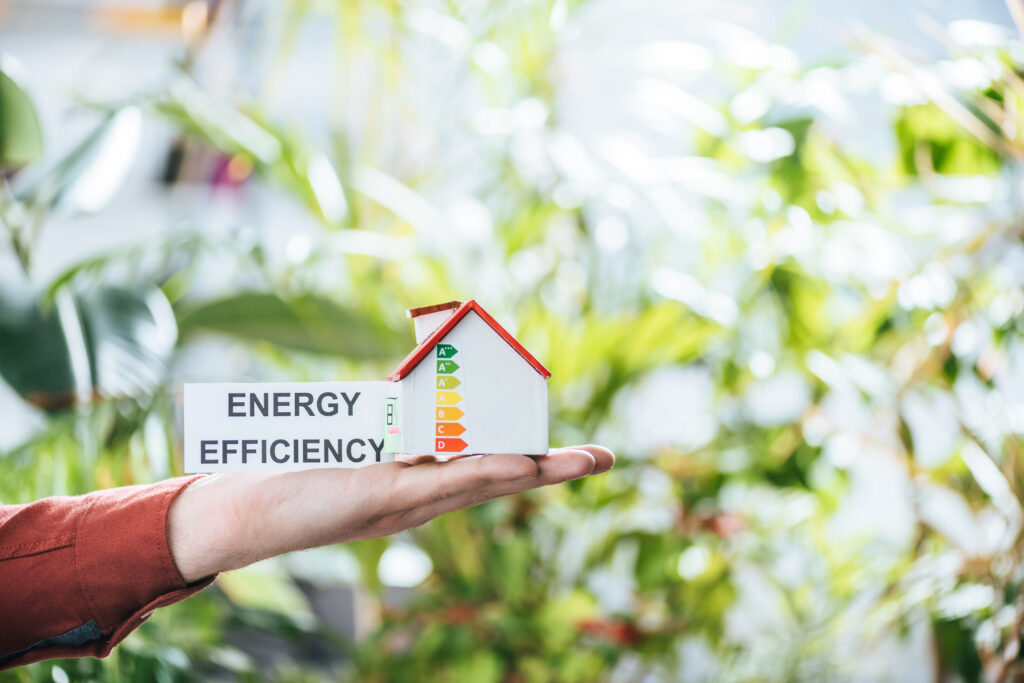
Energy efficiency in Brisbane custom homes isn’t just about installing solar panels and calling it done. The subtropical climate demands specific design responses that work with local weather patterns rather than fighting them through mechanical systems running constantly. Getting these fundamentals right during design saves thousands annually in running costs while creating genuinely comfortable living environments.
The best energy-efficient homes in Brisbane feel comfortable year-round without excessive reliance on air conditioning or heating.
Orientation Matters More Than Most Realize
A custom home builder in Brisbane who understands climate-responsive design prioritises north-facing living areas that capture winter sun while providing summer shade through appropriate eave depths. This fundamental orientation decision impacts thermal comfort more than any single mechanical system you’ll install.
North-facing windows with 600 to 900mm eaves allow low winter sun to warm interior spaces while blocking high summer sun that would overheat rooms. South-facing areas receive minimal direct sunlight, making them ideal for bedrooms requiring cooler temperatures for comfortable sleep.
Getting orientation wrong means fighting Brisbane’s climate daily through air conditioning rather than working with natural heating and cooling patterns that make homes comfortable with minimal energy input.
Cross Ventilation Reduces Cooling Costs
Brisbane’s climate provides cooling breezes most evenings that properly designed homes can capture through strategic window placement. Smart housing solutions Brisbane builders implement include operable windows on opposite walls, creating airflow paths that flush hot air while drawing cooler evening breezes through living spaces.
High-level louvres or clerestory windows allow hot air to escape naturally while lower windows bring in cooler air, creating passive ventilation that reduces air-conditioning dependence by 40 to 60 per cent during shoulder seasons and on comfortable summer evenings.
Custom homes / rebuilds / renovations that ignore cross ventilation possibilities force mechanical cooling even when outdoor conditions would naturally cool buildings through simple airflow.
Insulation Beyond Minimum Standards
Building codes mandate minimum insulation levels adequate for basic compliance but insufficient for genuine energy efficiency. Quality custom builds in Brisbane benefit from ceiling insulation exceeding R4.0 ratings, particularly in roof spaces that experience extreme temperature variations.
Wall insulation, often overlooked in Queensland builds, significantly improves thermal comfort and reduces cooling loads during peak summer periods. The marginal cost of upgrading from minimum to high-performance insulation returns through reduced energy bills within five to seven years while improving comfort immediately.
Window Selection Impact
Single-glazed windows lose tremendous thermal energy in both directions. Quality double-glazed windows with low-E coatings appropriate for subtropical climates reduce heat transfer while maintaining natural light that makes spaces comfortable and appealing.
Western-facing windows present particular challenges in Brisbane, receiving intense afternoon sun that overheats spaces regardless of other design elements. External shading through deciduous trees, louvres, or pergolas blocks this heat before it reaches glass, preventing the greenhouse effect that forces air conditioning usage.
Thermal Mass Applications
Concrete floors, brick internal walls and other thermal mass elements absorb heat during the day and release it slowly overnight, moderating temperature swings that would otherwise create uncomfortable conditions. This passive climate control works particularly well in Brisbane, where diurnal temperature ranges provide natural cooling opportunities.
Combining thermal mass with appropriate shading prevents overheating while capturing the temperature stabilisation benefits that make spaces comfortable without mechanical intervention.
Efficient Mechanical Systems
Once passive design elements are optimised, selecting efficient mechanical systems completes the energy performance picture. Inverter air conditioning systems, heat pump hot water, LED lighting throughout and energy-efficient appliances reduce consumption without requiring behavioural changes or comfort compromises.
Solar panel systems make most sense after reducing consumption through passive design and efficient equipment. Smaller solar arrays powering energy-efficient homes cost less while meeting total household needs compared to oversized systems compensating for inefficient building design.
Return on Investment Reality
Energy-efficient design features add upfront costs that many custom home builders present as optional extras. Property development consultancy analysis shows these investments typically return through reduced operating costs within seven to twelve years while immediately improving comfort and property values.
Brisbane’s rising electricity costs accelerate these payback periods, while climate change increases cooling demands that make efficiency features more valuable over time. Homes designed for energy efficiency in 2026 will outperform standard builds increasingly as energy prices continue trending upward.
The design decisions matter most. Mechanical systems compensate for poor passive design but never achieve the performance or running costs of homes where orientation, ventilation, insulation and shading work together, creating naturally comfortable environments.
Similar energy principles apply across property types. Even rooming houses benefit enormously from these same passive design strategies, reducing operating costs while improving tenant comfort and satisfaction.
Key Takeaways
- North-facing living areas with appropriate eave depths provide natural heating and cooling
- Cross ventilation through strategic window placement reduces air conditioning dependence by 40 to 60 per cent
- Insulation exceeding R4.0 ceiling ratings delivers better performance than code minimums
- Double-glazed windows with low-E coatings significantly reduce heat transfer in both directions
- Western sun requires external shading to prevent afternoon overheating problems
- Thermal mass elements moderate temperature swings through natural heat absorption and release
- Efficient mechanical systems complement but cannot replace good passive design fundamentals
- Energy-efficient features typically return investment within seven to twelve years through reduced bills
Ready to design an energy-efficient custom home optimised for Brisbane’s climate? Consult with our building team about creating comfortable, efficient homes that reduce running costs year after year.