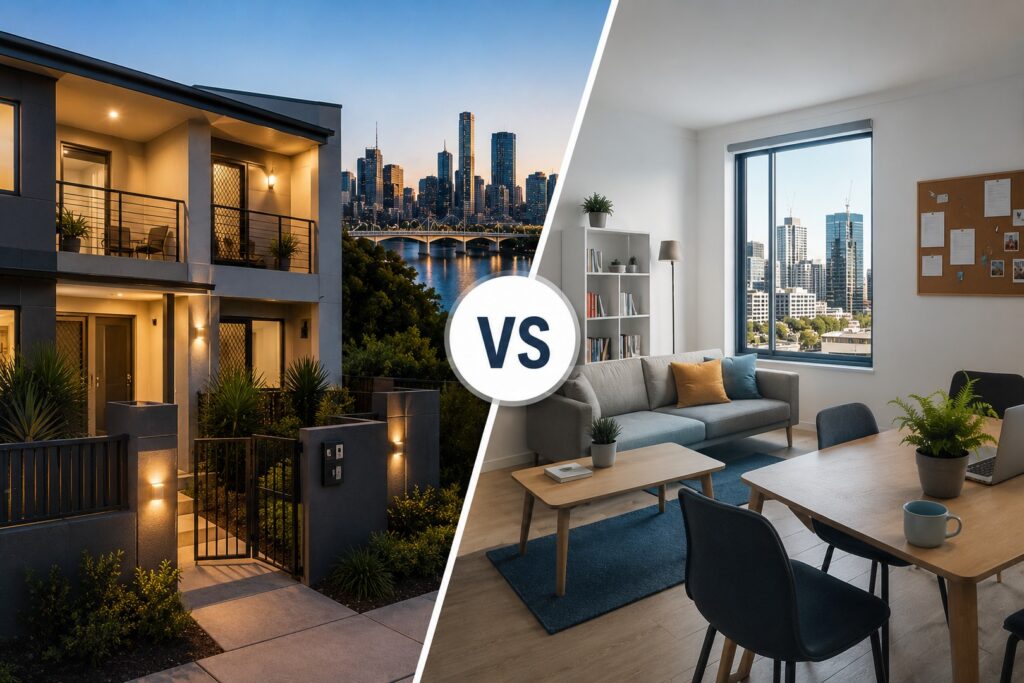
Affordable housing in Brisbane isn’t just a social issue. It’s an opportunity for developers who understand how intelligent land development creates properties that serve genuine market needs while generating solid returns. The challenge lies in rethinking traditional development approaches that maximise profit per square metre at the expense of housing accessibility.
Smart land development recognises that affordable housing and profitable development aren’t mutually exclusive when approached with creativity and strategic planning.
Maximizing Density Without Sacrificing Liveability
The most effective approach to affordable housing starts with extracting maximum utility from available land while maintaining quality living standards. Projects that subdivide and build Brisbane properties successfully balance density with design that people actually want to live in rather than tolerate because options are limited.
This means thoughtful site planning that positions multiple dwellings to maximise privacy, natural light, and outdoor space even on compact lots. Townhouse developments, dual occupancy designs, and well-planned apartment buildings can deliver more housing per hectare without creating cramped, undesirable living conditions that plague poorly conceived higher-density projects.
Smart housing solutions Brisbane developers implement shared infrastructure that reduces per-dwelling costs, efficient building footprints that minimise wasted space, and layouts optimised for construction efficiency without compromising functionality.
Streamlined Approval Processes Reduce Costs
Development timelines directly impact affordability because every month spent navigating approvals adds holding costs that eventually get passed to buyers or tenants. Property development consultancy services that understand council requirements, planning schemes, and efficient documentation processes accelerate projects from concept to construction.
Experienced developers identify sites where zoning already supports intended density rather than requiring lengthy rezoning applications. They prepare comprehensive submissions that address potential council concerns proactively, reducing revision rounds that extend timelines and inflate costs.
This efficiency particularly matters for development and investment projects targeting affordable price points where margins don’t absorb extended holding periods that luxury developments can weather more easily.
Construction Methodology That Controls Costs
Traditional construction methods involve considerable waste in materials, time, and labour that smart developers eliminate through better planning and execution. Standardised designs that allow repetition across multiple dwellings, materials procurement strategies that leverage volume pricing, and construction sequencing that minimises downtime all contribute to cost control that makes affordable housing financially viable.
Modular construction approaches, prefabricated components, and designs optimised for local trades and materials reduce both construction time and expense. These aren’t shortcuts that compromise quality. They’re intelligent approaches that deliver equal or better outcomes more efficiently.
Smarter housing thinking applies construction industry knowledge to development planning so designs account for how buildings actually get built rather than creating complications that inflate costs unnecessarily.
Shared Infrastructure Reduces Individual Costs
Developments that share driveways, utilities infrastructure, and common areas distribute costs across multiple dwellings rather than duplicating everything for each home. This approach particularly benefits projects where land subdivision creates smaller lots that individually couldn’t support full infrastructure without making final property prices unaffordable.
Strata title arrangements, community title schemes, and properly structured body corporate systems allow this infrastructure sharing while maintaining clear ownership and responsibility frameworks. When implemented correctly, shared infrastructure reduces development costs by 15 to 25 per cent compared to traditional subdivision approaches.
Alternative Housing Models Expand Options
Beyond traditional single-family homes and standard apartments, smart land development explores housing models that serve different market segments effectively. Purpose-built rooming houses, co-living developments, and micro-apartment complexes all provide affordable accommodation when designed and managed properly.
These alternative models often achieve better returns than conventional developments while addressing genuine housing needs. The key lies in understanding who needs affordable housing and designing specifically for those demographics rather than trying to force unsuitable property types into markets they don’t serve.
Location Strategy Balances Affordability and Access
Affordable housing developments fail when they prioritize cheap land in locations so disconnected from employment, services, and transport that residents can’t function effectively. Smart land development identifies areas where land costs remain reasonable while maintaining access to essential infrastructure and opportunities.
Brisbane’s suburban growth corridors, established suburbs with redevelopment potential, and locations near planned infrastructure improvements all offer opportunities for affordable housing that doesn’t sacrifice liveability for price.
Property development consultancy expertise helps investors identify these locations before market pricing reflects their development potential, creating opportunities for affordable housing projects that remain financially viable as surrounding areas appreciate.
Building Communities, Not Just Housing
The most successful affordable housing developments create genuine communities through thoughtful design that encourages interaction, shared spaces that foster connection, and amenities that support daily life. This community focus improves tenant satisfaction, reduces turnover, and creates developments that maintain value over time.
Smart land development recognises that affordable housing succeeds when it provides quality homes people choose rather than settle for, making development and investment in this sector both socially beneficial and financially sound.
Key Takeaways
- Maximizing density without sacrificing livability creates affordable housing that people want
- Streamlined approval processes reduce holding costs that get passed to tenants
- Efficient construction methodology controls costs while maintaining quality standards
- Shared infrastructure distributes costs across dwellings, reducing individual expenses
- Location strategy must balance affordability with access to employment and services
“Interested in exploring affordable housing development opportunities in Brisbane? Discuss your project with our property development team to discover how smart planning creates both social impact and investment returns.”