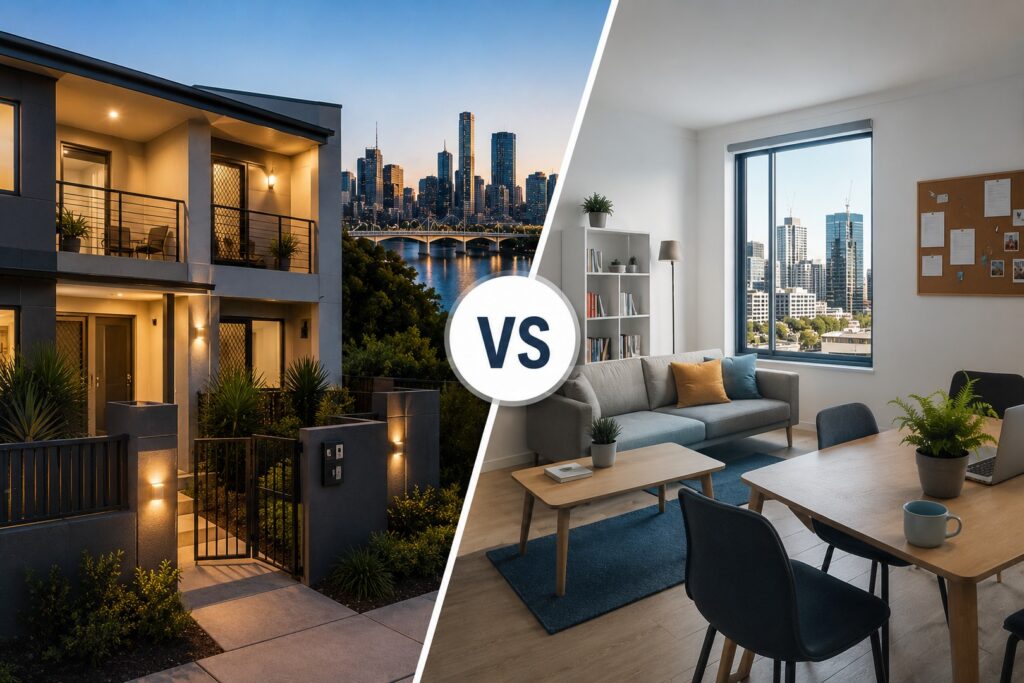
Look at any established Brisbane suburb and you’ll see it happening. Large blocks that once held single homes are being subdivided into two, three, or even more lots. Owners who bought properties years ago are unlocking massive value by recognizing that their land is worth more divided than it is whole. And buyers are eagerly purchasing these new lots because established suburbs with existing infrastructure offer better lifestyle value than fringe developments.
Subdivision isn’t some complex strategy reserved for professional developers. Ordinary property owners with the right sites and smart planning can add six figures to their asset values, sometimes more. The key is understanding which properties suit subdivision, how Brisbane City Council assesses applications, what mistakes kill profitability and how to execute the process without turning it into a financial disaster.
The difference between subdivision success and failure usually comes down to planning. Properties that look perfect on paper can have fatal flaws that don’t emerge until you’re deep into the approval process. Conversely, sites that seem marginal can work beautifully with creative design and a strategic approach.
Indigo Construction Company’s property development consultancy helps Brisbane property owners navigate subdivision from initial feasibility through final construction. As an experienced custom home builder in Brisbane, they’ve guided countless subdivision projects, identifying opportunities others miss while avoiding expensive mistakes that trap inexperienced developers.
Let’s break down how smart subdivision planning actually works, where value gets created, what Brisbane City Council looks for and how to approach subdivision strategically rather than hopefully.
Understanding Subdivision Fundamentals
Subdivision creates separate legal titles from a single parcel of land. Instead of one large block, you end up with two or more smaller lots that can be sold individually, built on separately, or held as distinct assets.
Subdivision Types
Standard subdivision creates separate freehold lots with individual titles. Building format subdivision (similar to strata) creates multiple lots but shares common property like driveways. Community title subdivision suits larger developments with shared facilities or infrastructure.
For most Brisbane homeowners, a standard subdivision creating two or three separate lots is the most common and straightforward approach.
Value Creation
The value equation is simple. If your 800-square-metre block is worth $700,000 as one lot, but two 400-square-metre lots are each worth $450,000, you’ve created $200,000 in value (minus subdivision costs). This value multiplier drives subdivision activity across Brisbane’s established suburbs.
Reconfiguring a Lot
Brisbane City Council calls subdivision “reconfiguring a lot”. This terminology includes subdividing existing lots, amalgamating multiple lots, realigning boundaries and creating access easements. Understanding the correct terminology matters when dealing with council and consultants.
Identifying Subdivision Opportunities
Not every large block suits subdivision. Several factors determine viability.
Minimum Lot Sizes
The Brisbane City Plan 2014 sets minimum lot sizes for different zones and locations. Low-density residential zones might require 400 to 450 square metres per lot. Some character precincts impose larger minimums to maintain neighbourhood feel. Always check the planning scheme for your specific address.
Lot Dimensions and Shape
Minimum frontages (usually 12 to 15 metres) and depth-to-width ratios affect whether blocks can physically subdivide. Long narrow blocks or odd shapes might not work even if the total area exceeds minimum size requirements.
Access and Frontage
Both new lots typically need legal street frontage or formal access via easements. Corner blocks often suit subdivision beautifully because they provide dual frontage. Landlocked portions of lots generally can’t subdivide without access easements, which complicate approvals.
Services Availability
Water, sewer, stormwater, electricity and telecommunications must be available or feasibly extended to new lots. Blocks without nearby services face expensive infrastructure costs that can kill profitability.
Topography and Drainage
Steep slopes, flooding risks, or poor drainage complicate subdivision. Extensive earthworks, retaining walls, or stormwater infrastructure add costs that reduce value creation.
Existing Improvements
Houses positioned awkwardly on blocks might require demolition or costly relocation. Ideally, existing houses sit on one future lot, minimising disruption and preserving rental income during the process.
Indigo Construction Company’s property development consultancy includes site assessment, identifying whether specific properties genuinely suit subdivision before you commit to expensive consultant fees or application costs.
Brisbane City Council Assessment Criteria
Council assesses subdivision applications against specific planning objectives and technical requirements.
Compliance with Planning Scheme
Applications must satisfy Brisbane City Plan 2014 zoning provisions, minimum lot sizes, infrastructure requirements, access standards and environmental considerations. Non-compliant elements trigger more detailed assessment or refusal.
Impact on Neighborhood Character
The council evaluates whether the subdivision respects existing neighbourhood patterns, streetscape character, building setbacks and landscape features. Character suburbs face stricter scrutiny to maintain established amenity.
Infrastructure Adequacy
New lots must have adequate infrastructure, including road access, water supply, sewerage connections, stormwater management and utility services. Council may require infrastructure upgrades at the applicant’s cost.
Environmental Considerations
Significant trees, habitat areas, waterways, or environmentally sensitive land may restrict subdivision. Bushfire-prone areas face additional requirements.
Public Notification
Depending on location and proposal specifics, applications might require public notification where neighbours can lodge submissions. Well-designed applications that respect neighbourhood context generate fewer objections.
Referrals
Some subdivisions require referral to state agencies or infrastructure providers for assessment. These external reviews can extend approval timelines.
Common Subdivision Mistakes That Kill Profitability
Many subdivision attempts fail or deliver disappointing returns due to preventable mistakes.
Underestimating Costs
Subdivision involves surveyor fees, town planning consultants, council application fees, infrastructure contributions, legal fees for title creation and potential construction costs if building on the new lot. These costs easily reach $50,000 to $100,000 or more. Failing to budget accurately destroys projected returns.
Ignoring Hidden Constraints
Easements, covenants, heritage overlays, or tree preservation orders can prevent or complicate subdivision. These constraints don’t always appear in casual property searches. Proper due diligence before committing prevents expensive surprises.
Poor Lot Configuration
Creating lots that barely meet minimum standards might satisfy the council but produce unsaleable or low-value outcomes. Aim for lot sizes, dimensions and orientations that genuinely appeal to buyers and builders.
Timing and Market Cycles
Subdividing into a falling market or holding completed lots too long drains value through holding costs and missed opportunities. Strategic timing matters.
Inadequate Professional Advice
DIY subdivision attempts often fail at the approval stage or create compliant but poorly configured outcomes. Experienced consultants cost money upfront but save multiples through efficient approvals and optimised design.
Not Considering End Use
Subdivision creates lots, but value comes from what gets built on them. Lots unsuitable for desirable housing configurations deliver disappointing returns. Always consider whether the lots you create will support valuable end-use buildings.
Indigo Construction Company’s approach prevents these mistakes through thorough feasibility analysis, experienced planning advice and realistic cost estimation before projects start.
The Subdivision Process Step by Step
Understanding the process helps set realistic expectations.
Step 1: Feasibility Assessment
Before spending significant money, verify the site meets basic subdivision requirements. Check planning scheme minimums, identify constraints and run preliminary financial analysis. This typically costs $1,000 to $3,000 for a professional assessment but prevents expensive dead ends.
Step 2: Concept Design and Planning
Town planners design the proposed lot configuration showing boundaries, access points, building envelopes and infrastructure. This becomes the basis of your development application.
Step 3: Supporting Reports and Studies
Depending on site specifics, you might need surveyor reports, arborist assessments for significant trees, engineering reports for stormwater or earthworks, or bushfire management plans. These reports support your application and address the council’s assessment criteria.
Step 4: Development Application
Submit the complete application to Brisbane City Council with all required plans, reports and fees. Application fees vary based on development value but typically range from $2,000 to $10,000 or more.
Step 5: Assessment Period
The council’s standard assessment takes roughly 15 to 20 business days for straightforward applications. Complex applications or those requiring referrals can take 3 to 6 months. Council may request additional information during assessment.
Step 6: Approval and Conditions
If approved, you receive a development approval with conditions you must satisfy. These might include infrastructure works, payments, or specific construction requirements.
Step 7: Plan Sealing and Title Creation
After satisfying approval conditions, the subdivision plan gets sealed and lodged with Titles Queensland. New titles are created, legally separating the lots. This process takes several weeks.
Step 8: Sale or Development
With new titles created, lots can be sold individually or developed. Many property owners sell one or both new lots to realise immediate value, while others build new homes to maximise total return.
Subdivision Strategies for Maximum Value
Different approaches suit different goals and circumstances.
Subdivide and Sell Both Lots
This extracts maximum immediate value. You subdivide, create titles and sell both lots vacant. This works well if you don’t want to live on the property long-term and want to cash out the value created.
Subdivide, Keep One, Sell One
If you love your location but want to unlock value, subdivide so your existing house sits on one new lot. Sell the vacant lot and use the proceeds to pay down your mortgage or reinvest elsewhere. You keep living in your home while extracting significant equity.
Subdivide and Build
Create new lots and build homes on them for sale or rental. This maximises total value but requires more capital, time and development expertise. The upside potential is larger, but so is the complexity and risk.
Hold for Future Development
Some owners subdivide to create separate titles but hold both lots long-term. This provides flexibility for future sale or development while locking in value creation through the subdivision itself.
Indigo Construction Company helps clients evaluate which strategy aligns with their financial goals, risk tolerance and timeframes.
Building on Subdivided Lots
If your strategy includes building on new lots, design and construction quality significantly impact total returns.
Design for the Site
Small subdivided lots require thoughtful design maximising usable space, natural light and liveability within tighter footprints. Poor design creates cramped, unpleasant houses that struggle to sell.
Target Market Considerations
Understand who’ll buy homes on your subdivided lots. First homebuyers? Downsizers? Investors? Design should align with target buyer preferences and budgets.
Construction Quality
Cutting corners on construction to save money usually backfires. Quality builds sell faster and command higher prices. Poor construction creates maintenance issues and damages reputation.
Project Management
Managing design, approvals, construction and sales requires coordination and experience. Many subdivision developers underestimate the project management complexity and find themselves overwhelmed.
Indigo Construction Company’s custom home building expertise means they can seamlessly transition from subdivision planning into quality construction on the new lots, providing continuity and reducing coordination headaches.
Financial Modeling and Returns
Smart subdivision planning requires accurate financial analysis.
Input Costs
Calculate land value (or holding costs if you already own), subdivision costs (consultants, council, infrastructure), financing costs during the process and construction costs if building.
Expected Returns
Estimate realistic sale prices for subdivided lots or completed homes based on comparable sales. Use conservative assumptions accounting for market conditions and selling costs.
Risk Margins
Build contingency into both cost and revenue assumptions. Unexpected costs always emerge and sale prices can disappoint. Conservative modelling prevents disasters.
Cash Flow Timing
Map out when money flows in and out. Subdivision creates costs upfront with returns coming months or years later. Ensure you can finance this gap without stress.
Opportunity Cost
Compare subdivision returns against alternative uses of your capital and time. Sometimes subdivision looks attractive in absolute terms but poor compared to other investment options available to you.
Indigo Construction Company’s property development consultancy includes detailed financial modelling showing expected returns under various scenarios, helping clients make informed decisions.
How Indigo Construction Company Supports Subdivision Success
Indigo Construction Company provides comprehensive subdivision support through honest feasibility assessment that identifies viable projects and warns against marginal ones, experienced town planning that navigates Brisbane City Council’s assessment process efficiently, site-specific design that creates well-configured lots that maximise value, construction services if building on subdivided lots and complete project coordination from initial concept through final sale.
Their smart housing solutions extend beyond individual homes to property development strategies that unlock value intelligently. You can explore their subdivision planning and custom home building services at IndigoConstructionCompany.com.au.
Key Takeaways
Value creation potential is substantial but requires the right site. Properties with adequate total area, suitable dimensions, good access, available services and manageable topography can add $150,000 to $300,000 or more in value through subdivision. Poor sites waste money on failed applications or create unsaleable lots.
Brisbane City Council assesses applications against planning scheme requirements, neighbourhood character, infrastructure adequacy and environmental considerations. Well-prepared applications with professional planning advice navigate approvals far more successfully than DIY attempts.
Costs frequently exceed expectations. Surveyor fees, planning consultants, council charges, infrastructure contributions and legal fees easily reach $50,000 to $100,000 or more. Accurate budgeting with a 15 to 20 per cent contingency prevents financial disasters when unexpected costs emerge.
Lot configuration affects end value significantly. Creating lots that barely meet minimum standards satisfies the council but produces inferior outcomes. Aim for lot sizes, orientations and access arrangements that support desirable housing and appeal to buyers.
Timing and strategy selection depend on personal goals. Subdivide and sell both lots for immediate value extraction. Keep one lot and sell one to maintain lifestyle while unlocking equity. Subdivide and build to maximise total returns with higher complexity and capital requirements.
Building on subdivided lots requires design expertise and construction quality. Small lots need thoughtful design maximising liveability within constrained footprints. Quality construction commands premium prices and sells faster than cheap builds.
Financial modelling must be conservative and comprehensive. Account for all costs, including consultants, approvals, infrastructure, financing and contingencies. Use realistic revenue assumptions based on comparable sales. Map cash flow timing and compare returns against alternative investment options.
Indigo Construction Company’s property development consultancy and custom home building expertise provide complete subdivision support from feasibility through final construction, helping Brisbane property owners unlock value intelligently. Explore their subdivision planning services at IndigoConstructionCompany.com.au.