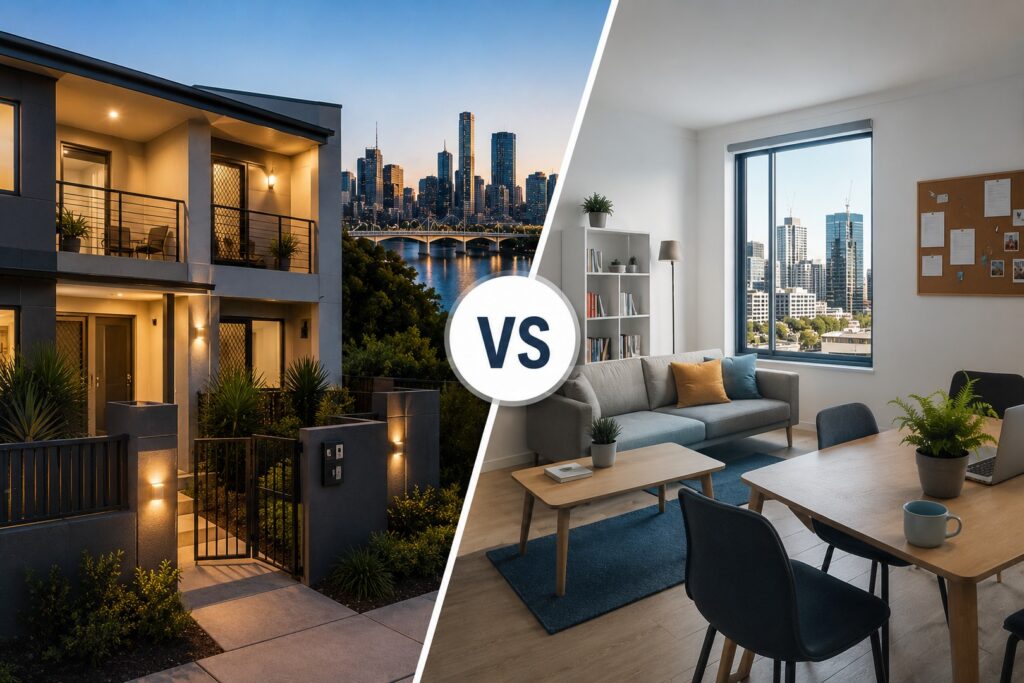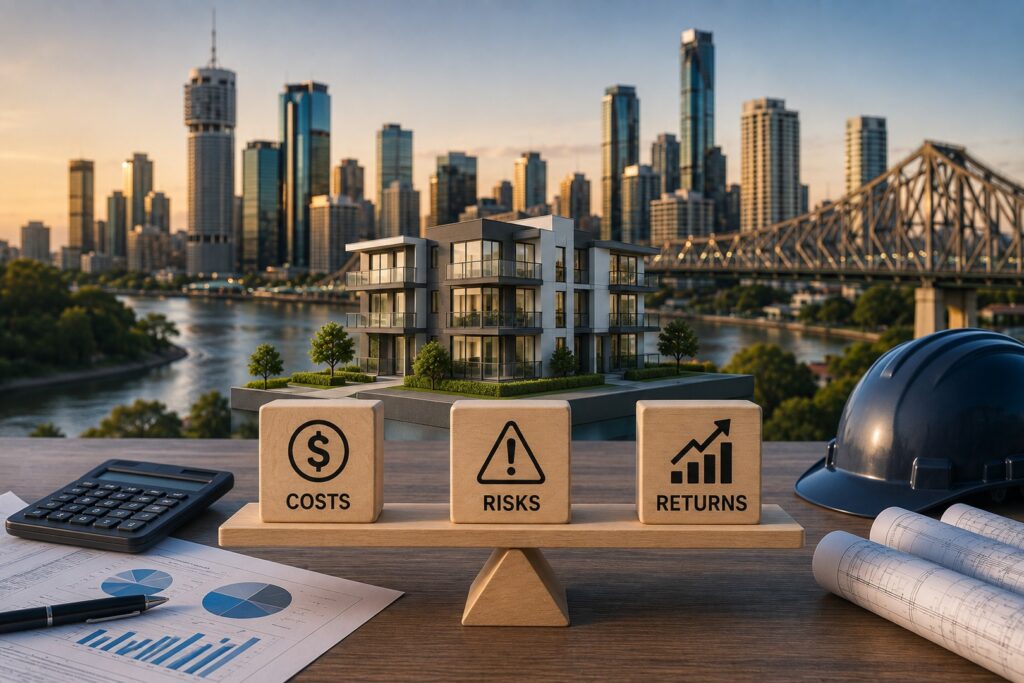
Property developers and investors continue to show interest in developments and investments in the local residential market. However, there is more to successful property development than just finding a suitable building site. Developers need to comprehend development costs, research the potential market, evaluate the risks, and create a workable plan for development with potential rewards over time.
Residential or investment or Smarter Projects, professional advice can guide you to make informed decisions. Also, a property development consultant will be able to provide supportive services through the length of the development process.
Property Development Consultancy: Key Trends Shaping Real Estate in 2026
Understanding Brisbane Property Development
Property development is essentially the transformation of a site or an existing property into a new or an improved property. This may involve:
- New construction of residences
- Building group or multi-unit housing
- Accommodation for investment
- Subdivision of lands for property
- Redevelopment or renovation of a property
- Housing for rooming
- Special housing for technologies
- Mixed-use property development
Potential rewards and costs of development will depend upon the type of the project, the location, property design, the market conditions, and the chosen development strategy.
Major Costs in Property Development
It is imperative to understand the complete budget for development prior to purchasing a site or starting the process for construction.
1. Land Purchase Costs
The development site is usually the largest expense. Developers should factor in costs such as:
- Price of the property
- Legal and conveyancing costs
- Due diligence
- Taxes and duties
- Site investigation
- The cost of finance
A cheap property may not be the best development opportunity if it has numerous constraints.
2. Costs of Planning and Professionals
Property development employs numerous professionals and service providers depending on the nature of the project.
Possible costs may be:
- Architect
- Town planner
- Engineer
- Surveyor
- Development consultant
- Project manager
- Lawyer
- Special reports
A Property development consultancy can help coordinate the initial stages and assist to determine the required services.
3. Construction costs
Construction is another major part of a development budget Costs differ by:
- Size of building
- Design complexity
- Materials
- Labour
- Site condition
- Fixtures and finishes
- Infrastructure
- The length of time to construct the building
- Developers must include a contingency fund to cover extra costs that come unexpectedly.
4. Financing and holding costs
Development finance can significantly add to the cost of a project if it takes longer than anticipated.
- These could include:
- Cost of finance
- Cost of loan
- Cost of insurance
- Council costs
- Costs of utility services
- Cost of maintaining the property
- Marketing costs
- Other holding costs
A delayed project can also affect profitability. Financial modeling should be used by developers in such situations.
Joint Venture Risks in Property Development
Every Property Development project involves risks. Understanding these risks helps investors to develop risk management strategies.
Rooming House Tenant Retention Strategies That Reduce Vacancy
Planning and Approvals Risks
Planning approvals, zoning, site characteristics, and other regulatory constraints may impact a development opportunity.
Before starting a development project, a number of considerations need to be made, including:
- Planning considerations
- Site constraints
- Access
- Parking
- Infrastructure
- Development potential
- Building requirements
Professional advice is essential for the proposed development and the property.
Construction Risks
- Price of materials;
- Availability of labour;
- Reliability of contractors;
- Unexpected conditions on the site;
- Changes to the building design;
- Delays in the supply of building materials;
- Increased costs due to limited supply of materials.
Detailed planning, professional construction management, and effective communication will help manage avoidable issues.
Market Risks
Elements of the property market can change while a project is still under development. Changes to buyer demand, rental market conditions, interest rates, construction costs, or the local supply of property may affect the outcome of a project.
Developers must consider:
- Active market demand
- Upcoming supply
- Preferred renters
- Rental market conditions
- Similar properties
- Location
- Market conditions and their potential to change
- The Function of an Investment Housing Developer Brisbane
An Investment housing developer Brisbane helps investors think of the implications of residential development on their long-term investment goals.
Aspects of an investment-focused development may consider:
- The rental market
- Property location
- Type of accommodation
- Type of renter
- Cost of development
- Potential rental value
- Operating costs
- Long-term performance of the asset
Projects should incorporate market needs in combination with the investor’s broader goals. Smarter Housing and Modern Developments
Smarter Housing and the Shift Toward Flexible Living Spaces
Residential property must focus on combining superior design with technological efficiency. Potential features may include the use of:
- Security systems
- Access control systems
- Efficient lighting
- Automated and/or intelligent control systems for heating and cooling
- Systems for energy consumption and real-time monitoring of the same
- Technology for the integrated automation of the home Smart space design
- Smart housing solutions should be based on the property’s target market as well as the project’s budget.
Developers in Brisbane are able to provide real solutions that incorporate modern living, efficiency, and security along with convenience.
Smart solutions can include the following:
- Smart lighting
- Digital locks
- Security systems
- Energy management
- Connected kitchen appliances
- Building systems
- Real time building management systems
In projects of this nature, it is important to maintain the balance between the number of features that are offered with the value that is actually provided.
Potential Returns from Property Development
Property development returns can occur from different strategies including, (i) selling completed properties or (ii) holding completed properties as a rental investment.
Some of the potential benefits of an investment in property development are:
- Capital growth potential
- Rental income
- More valuable land
- Benefit from the development
- Longer term value of the investment
Remember, there is no certainty about returns from a property development project. The final outcome will depend on a number of factors including the total project cost, the state of the market and the financing, the performance of the development and ultimately the value or level of rental income from the completed property.
How a Property Development Consultancy Can Help
Property development consultancies assist developers throughout different steps of a project and could include the following services:
- Assessing a site and possible opportunities
- Assessing possible developments
- Market research
- Preparing strategies
- Planning and coordinating consultants
- Development and risk management
- Investment planning
Having professionals assess a possible development will assist in identifying issues before major costs are committed to a project.
Improving Development Outcomes
Developers can improve their approach by:
- Comprehensive due diligence
- Preparing an appropriate budget for development
- Understanding the target market
- Appropriate contingencies
- Understanding the planning requirements
- Selecting experienced professionals
- Understanding market costs
- Appreciating that delays will occur
- Thinking about long-term investment
- Consideration of functional and efficient design features
Property development in Brisbane offers opportunities to both investors and land owners, but successful property developments require detailed planning. Developers should understand the costs of land and finance, construction and the costs of holding land. Planning, construction and market risks will need to be considered before a development is undertaken.
Whether you are researching traditional on-site builder design and construction or contracting with an Investment housing developer Brisbane, working with an established Property development consultancy will assist you with structuring your business strategy.
Smarter Housing and Smart housing solutions Brisbane consultants will help you to consider the feasibility of a project, and provide assistance with all the steps from planning a project, through to project management and risk management. They will help you to make informed decisions throughout the duration of the development process.
FAQs
1. What are the main costs involved in Property Development Brisbane?
Major costs can include land acquisition, professional services, construction, finance, holding expenses, approvals, infrastructure, and contingency allowances. A Property development consultancy can help develop a project-specific feasibility assessment.
2. Is Property Development in Brisbane profitable?
Property Development can provide opportunities for profit, rental income, capital growth, or improved land utilisation, but returns are not guaranteed. Costs, market conditions, financing, and project performance all influence the final outcome.
3. What does an Investment housing developer Brisbane do?
An Investment housing developer Brisbane can help plan residential projects around investment objectives, target markets, property design, development costs, rental potential, and long-term asset performance.
4. How does Smarter Housing affect Property Development?
Smarter Housing can incorporate efficient design, smart technology, security, energy management, and modern amenities into a development. These features can improve functionality and appeal when appropriately selected.
5. What are Smart housing solutions Brisbane?
Smart housing solutions Brisbane can include smart access, security systems, automated lighting, energy management, connected technology, and efficient building systems designed to improve convenience and residential efficiency.