Queensland’s rental market is undergoing a fundamental shift that most investors are only beginning to understand. While headlines focus on rental vacancy rates and median prices, a quieter transformation is reshaping how people approach housing. Flexible rental options that would have been niche alternatives a decade ago are becoming mainstream necessities for thousands of Queenslanders.
The drivers behind this change aren’t temporary. They’re structural shifts in how people work, live and navigate housing affordability that point towards sustained demand for alternative accommodation models well into the future.
The Affordability Crisis Nobody Talks About
Queensland property prices have outpaced wage growth for years, creating an affordability gap that traditional rental housing increasingly fails to bridge. A studio apartment in Brisbane that once represented entry-level accommodation now costs what families used to pay for two-bedroom units. Young professionals, essential workers and students face a stark choice: stretch budgets beyond sustainability or find different housing solutions.
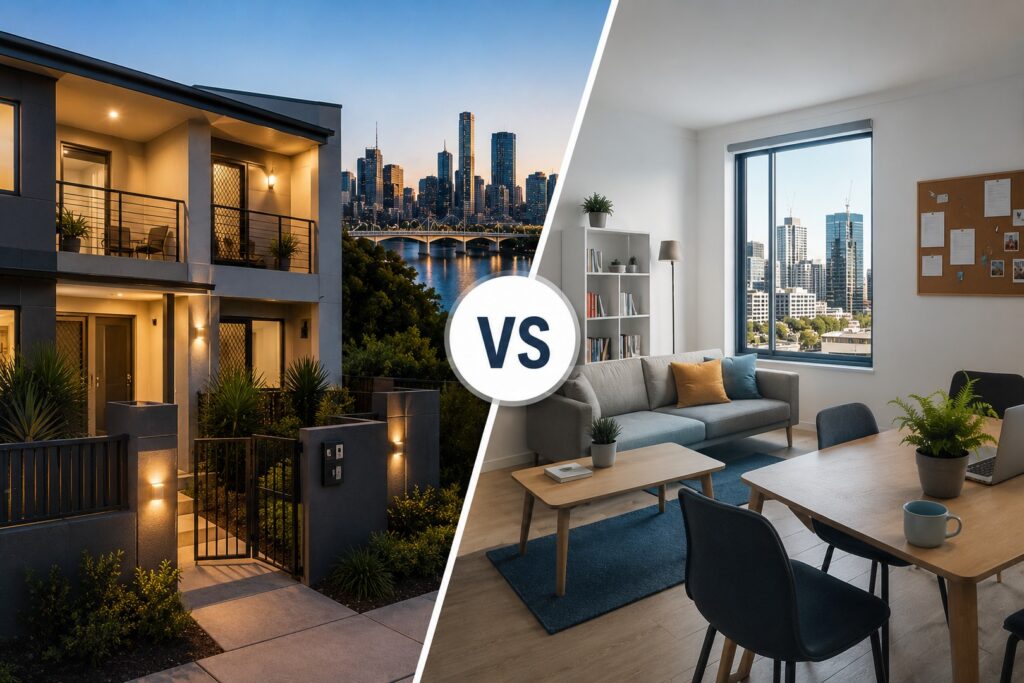
This affordability pressure is precisely why rooming houses have moved from fringe accommodation to legitimate housing options serving mainstream demographics. When a private room in a quality rooming house costs 40% less than a studio apartment, the financial logic becomes impossible to ignore.
Smart housing solutions Brisbane investors are implementing and recognising this fundamental market shift. The demand isn’t coming from people who prefer shared accommodation as a lifestyle choice. It’s coming from people who need affordable housing that doesn’t exist in sufficient quantities within traditional rental stock.
Work Patterns Changed Everything
Remote work and flexible employment arrangements transformed housing needs across Queensland. People who once needed to live within commuting distance of a fixed office location now prioritize different factors. Short-term work contracts, project-based employment and remote roles that require occasional city presence create demand for flexible lease terms that standard residential tenancies struggle to accommodate.
Rooming houses naturally suit these changing work patterns. Month-to-month rental arrangements, furnished rooms ready for immediate occupancy and locations chosen for lifestyle rather than office proximity align perfectly with how modern employment actually functions. Investment housing developer Brisbane projects increasingly factor these evolving tenant needs into design and operational planning.
The Transient Population Growth
Queensland’s population growth isn’t just about permanent residents. International students, temporary skilled workers, interstate workers on short-term contracts and people relocating for career opportunities all need housing that bridges gaps between permanent moves. Hotels are too expensive for extended stays. Standard leases require commitments these groups cannot make.
This creates sustained demand for accommodation that provides more stability than hotels without the inflexibility of traditional leases. Purpose-built rooming houses designed with these demographics in mind capture market demand that conventional rental properties simply cannot serve effectively.
Lifestyle Priorities Shifting
Younger generations approaching the rental market show different housing priorities than previous cohorts. Location, flexibility and reduced financial commitment often outweigh space considerations. Living alone in distant suburbs holds less appeal than sharing quality accommodation in desirable locations with shorter commutes and better amenities nearby.
This isn’t about making compromises due to financial constraints, though affordability certainly factors in. It reflects genuine preference shifts around what matters in housing. Property development consultancy services that understand these changing priorities design accommodation that tenants actually want rather than what developers assume they should want.
The Supply Gap Widens
Here’s the challenge that makes flexible rental housing increasingly viable as an investment thesis: Queensland isn’t building enough affordable housing to meet demand. New apartment developments target premium market segments. Existing rental stock converts to owner-occupied as prices climb. The gap between available affordable housing and people needing it grows wider each year.
Smarter housing approaches that deliver quality accommodation at accessible price points aren’t just socially beneficial. They’re capturing underserved market demand that traditional development models ignore. Understanding zoning and land size requirements helps investors identify opportunities where flexible housing meets genuine community needs while generating strong returns.
Looking Forward
Queensland’s population continues growing faster than housing supply expands. Work patterns show no signs of returning to pre-pandemic norms. Affordability challenges will persist regardless of market cycles. These factors point towards sustained, growing demand for flexible rental housing that serves real needs rather than temporary market conditions.
For investors paying attention, this shift represents an opportunity to provide housing people genuinely need while building profitable portfolios around genuine market demand.
Key Takeaways
- Housing affordability gap drives mainstream demand for flexible accommodation options
- Remote and flexible work patterns create need for short-term, furnished housing
- Queensland’s transient population growth sustains demand for non-traditional leases
- Supply of affordable housing isn’t keeping pace with population growth
- Flexible rental housing serves genuine market needs while generating strong investment returns
“Interested in exploring rooming house investment opportunities in Brisbane? Contact our property development team to discuss how we can help you with Queensland’s growing demand for flexible housing solutions.”