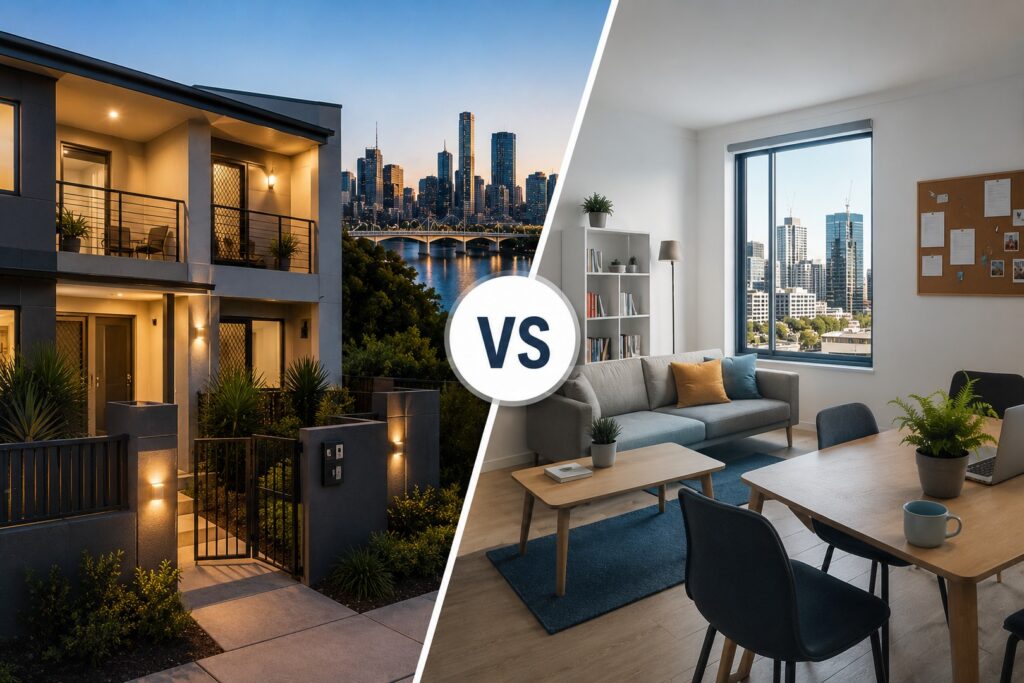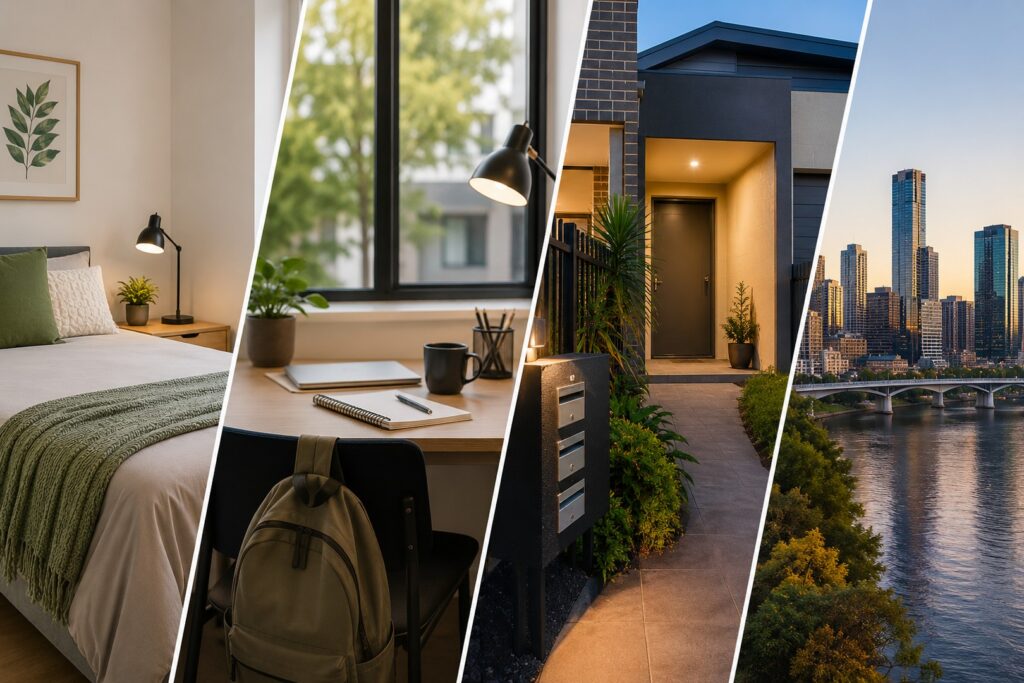
Understanding why people choose shared living over solo apartments reveals insights that separate successful rooming houses from struggling properties. The psychology driving these decisions has shifted dramatically from even five years ago, creating opportunities for investors who recognize what tenants actually value versus what developers assume they want.
Shared living works in 2026 not because people lack alternatives but because well-designed rooming houses deliver genuine lifestyle advantages over isolated studio apartments at similar or higher price points.
Privacy Paradox: Alone Together
The most successful rooming houses solve what psychologists call the privacy paradox. People want private space to retreat into while also craving optional social connection when desired. Studio apartments offer complete privacy but often create isolation that negatively impacts mental health and life satisfaction.
Smart housing solutions Brisbane developers implement and recognize this psychological need by designing properties where residents control their social exposure. Private bedrooms with quality locks and sound insulation provide genuine sanctuary. Generous common areas create opportunities for interaction without forcing it.
The key word is ‘optional’. Residents who want company find it in shared kitchens and living areas. Those needing solitude retreat to private rooms without awkward explanations or social pressure. This flexibility addresses psychological needs that rigid housing options struggle to satisfy.
Economic Psychology: Value Perception
Traditional thinking assumes people choose rooming houses purely for financial savings. Research shows something more nuanced. Tenants perceive value not just in lower rent but also in access to locations and amenities their budgets couldn’t otherwise afford.
Paying $280 weekly for a quality room in Woolloongabba with furnished common areas beats paying $350 for a studio in Logan when measuring overall life satisfaction. The psychology isn’t about being poor. It’s about making strategic choices that maximize lifestyle outcomes within budget constraints.
Investment housing developer Brisbane projects performing best understand this value psychology and design accordingly. Quality finishes, functional layouts and desirable locations create perceived value that justifies rental rates approaching or exceeding basic studio apartments.
Community as Amenity
Loneliness has reached epidemic levels across developed countries, particularly affecting young adults and people new to cities. Well-managed rooming houses accidentally solve this problem by creating built-in communities where casual connections form naturally.
Shared meal preparation, common area interactions and informal social networks develop organically in properly designed properties. These connections don’t require forced activities or awkward mixers. They emerge from simple proximity and shared spaces that facilitate comfortable interaction.
For many tenants, especially those relocating for work or study, this community aspect represents significant value beyond rental savings. The psychological comfort of familiar faces and casual friendships matters deeply to life satisfaction and mental health.
Control and Autonomy
Successful shared living preserves individual autonomy while providing structure. Tenants want control over their immediate space, schedule and lifestyle choices. Property development consultancy experts designing quality rooming houses ensure rules create order without micromanaging adult behaviour.
Individual climate control, private storage and bedroom locks satisfy psychological needs for personal territory and autonomy. Clear house rules around noise, cleanliness and shared space respect prevent conflicts while maintaining individual freedom.
Properties that overmanage tenant behaviour or impose excessive restrictions trigger psychological resistance and high turnover. Those balancing structure with autonomy achieve tenant satisfaction that translates into long tenancies and positive word-of-mouth referrals.
Transitional Psychology: Bridges Not Destinations
Most rooming house tenants view their situation as transitional rather than permanent. This psychology matters because it shapes expectations and satisfaction metrics. People accept shared living more readily when framing it as a strategic step towards future goals rather than a permanent compromise.
Quality properties embrace this transitional psychology by maintaining standards that residents feel good about rather than merely tolerate. Smarter housing approaches recognize that treating rooming houses as stepping stones rather than endpoints aligns with tenant psychology and improves satisfaction during residency.
Design for Human Needs
The rooming houses succeeding in 2026 start with human psychology rather than regulatory minimums. They ask what design elements support mental health, facilitate comfortable coexistence and create environments people choose rather than settle for.
Natural light in common areas, acoustic privacy in bedrooms, adequate storage reducing clutter stress and outdoor access all address psychological needs proven to impact satisfaction and wellbeing. These elements cost more than bare minimum builds but create properties that maintain occupancy and command market-rate rents.
Understanding the psychology behind shared living transforms rooming house development from simple income calculations into creating housing that genuinely serves how people want to live in 2026.
Key Takeaways
- Successful rooming houses balance privacy needs with optional social connection opportunities
- Tenants choose shared living for lifestyle access and location quality, not just cost savings
- A built-in community combats urban loneliness affecting young adults and newcomers
- Individual autonomy within structured environments satisfies psychological control needs
- Most residents view shared living as transitional steps towards future housing goals
- Natural light, acoustic privacy and adequate storage address core psychological well-being.
- Properties designed around human psychology outperform those meeting only regulatory minimums
- Understanding tenant psychology creates competitive advantages through higher satisfaction and retention
Interested in developing rooming houses designed around tenant psychology and satisfaction? Consult with our property development team about creating shared living environments that people choose, not just settle for.