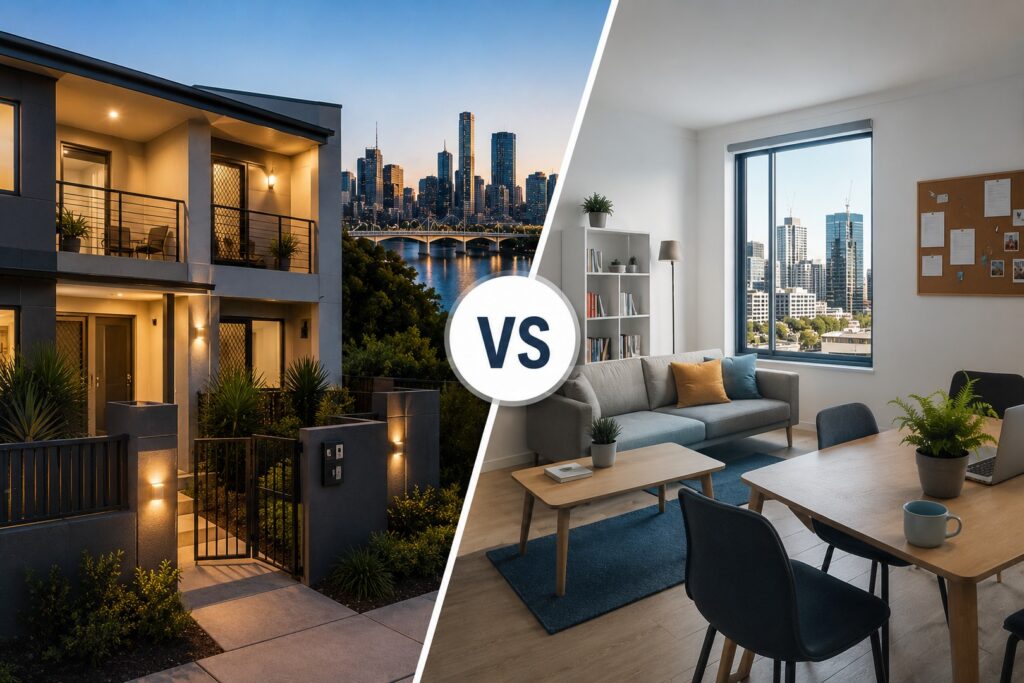
If you’re thinking about investing in a rooming house in Brisbane, understanding council rules and compliance isn’t optional. It’s the foundation that determines whether your project gets approved, how much it costs to build and whether you can legally operate once construction is finished.
The compliance landscape for rooming houses has tightened significantly over the past few years. Brisbane City Council, along with state regulations, now has specific requirements around planning approvals, building standards, fire safety, accessibility, licensing and ongoing operational obligations. Get any of these wrong and you’re looking at delays, expensive retrofits, or worse, having to stop operations entirely.
But here’s the reality. Most investors aren’t compliance experts and they shouldn’t need to be. What they need is a clear understanding of what’s required and a trusted partner who knows how to navigate the process efficiently.
This is where Indigo Construction Company’s property development consultancy makes a real difference. As an experienced investment housing developer in Brisbane, they’ve guided dozens of rooming house projects through council approvals, building certifications and licensing. They know exactly what Brisbane City Council expects, how to structure applications and how to design properties that meet compliance without compromising on functionality or yield.
Let’s break down the key compliance areas you need to understand when developing or operating a rooming house in Brisbane.
What Defines a Rooming House in Brisbane
Before diving into rules, it’s important to understand how Brisbane City Council defines a rooming house. This determines which regulations apply to your property.
A rooming house is generally a building where multiple tenants rent individual rooms and share common facilities like kitchens, bathrooms, or living areas. The key distinction is that tenants have separate rental agreements for their rooms rather than one lease for the entire property.
In Queensland, rooming houses fall under the Residential Tenancies and Rooming Accommodation Act 2008 (RTRA Act), which creates specific legal obligations for owners and managers. Brisbane City Council also classifies rooming houses as Class 1B buildings under the National Construction Code, which triggers detailed building and safety requirements.
Understanding this classification matters because it determines your compliance pathway from the very beginning.

Development Approval Requirements
Before you can build or convert a property into a rooming house, you need development approval from Brisbane City Council. This process assesses whether the proposed use is appropriate for the site, whether the design meets planning scheme requirements and whether the development aligns with the broader planning objectives for the area.
Planning Scheme Assessment
Brisbane’s City Plan 2014 sets out zoning rules and development standards. Rooming houses are assessed based on factors like:
- Zone compatibility (some zones accept rooming houses more readily than others)
- Site context and surrounding land uses
- Building height, setbacks and site coverage
- Car parking requirements
- Landscaping and outdoor space provisions
- Impact on neighborhood character
Referral Agencies
Depending on your site and proposal, your development application might be referred to other agencies for assessment. This can include state departments for certain approvals or infrastructure providers for service connections.
Public Notification
Some rooming house applications require public notification, which means nearby property owners can lodge submissions. Understanding how to position your application to minimise objections is part of smart project planning.
Indigo Construction Company’s property development consultancy includes pre-lodgement advice and application management to navigate this process efficiently and avoid common pitfalls that delay approvals.
Class 1B Building Standards
Once development approval is granted, the next compliance layer is building approval. Rooming houses are classified as Class 1B buildings, which come with stricter construction standards than standard residential homes (Class 1A).
Fire Safety Requirements
Class 1B buildings need enhanced fire safety measures, including:
- Interconnected smoke alarms throughout the building
- Fire-rated construction in certain areas
- Clear egress paths from all bedrooms
- Emergency lighting in hallways and common areas
- Fire extinguishers and fire blankets in accessible locations
- Compliance with fire safety management plans
Accessibility Standards
Rooming houses must meet accessibility requirements, which often include:
- At least one accessible bathroom
- Step-free access to common areas
- Wider doorways and circulation spaces
- Accessible parking where required
Structural and Amenity Standards
Building approval also covers structural integrity, ventilation, natural light, room sizes, ceiling heights, insulation and water efficiency. Every element needs to meet National Construction Code standards specific to Class 1B buildings.
This is where working with an experienced investment housing developer like Indigo Construction Company becomes critical. They design rooming houses with these standards integrated from day one, avoiding the expensive retrofits that often plague poorly planned projects.
Licensing and Registration Requirements
In Queensland, rooming house operators must hold a valid rooming accommodation provider licence. This is a legal requirement before you can accept tenants.
Who Needs a Licence?
If you own or manage a rooming house with six or more residents, you need a licence. Properties with fewer than six residents generally don’t require licensing, though they still must comply with building standards and tenancy laws.
Licence Application Process
Applying for a rooming accommodation provider licence involves:
- Submitting detailed property information
- Providing evidence of compliance with building and fire safety standards
- Demonstrating appropriate insurance coverage
- Passing fit and proper person checks
- Paying licensing fees
Licenses are typically issued for one or three years and must be renewed before expiry.
Display Requirements
Licensed rooming houses must display their licence number prominently at the property and include it in any advertising or tenancy agreements.
Ongoing Operational Compliance
Compliance doesn’t end once your rooming house is built and licensed. Ongoing operational obligations include:
Annual Safety Inspections
Licensed rooming houses must undergo annual safety inspections covering fire safety equipment, electrical systems, plumbing, structural integrity and general maintenance. Inspection reports must be kept and provided to authorities on request.
Maintenance Standards
Owners must maintain the property in good repair, ensure common areas stay clean and functional and respond promptly to maintenance requests that affect safety or amenity.
Tenancy Agreement Requirements
Rooming accommodation agreements have specific legal requirements under the RTRA Act. These agreements must include certain mandatory terms, provide clear information about house rules and protect both tenant and owner rights.
Record Keeping
Operators must maintain accurate records of tenancy agreements, rent payments, inspections, maintenance and complaints. These records can be requested during compliance audits.
Car Parking and Site Requirements
Brisbane City Council has specific car parking requirements for rooming houses, which vary based on location and property size.
In areas with good public transport access, parking requirements may be reduced. In outer suburbs or areas with limited transport, higher parking ratios apply. Understanding these requirements early is crucial because inadequate parking can sink a development application or require expensive site redesigns.
Other site requirements include:
- Adequate outdoor space or communal areas
- Appropriate waste management facilities
- Stormwater management compliance
- Landscaping that meets planning scheme standards
Fire Safety Management Plans
Larger rooming houses often require a formal fire safety management plan. This document outlines:
- Fire safety equipment locations and maintenance schedules
- Evacuation procedures and exit routes
- Responsibilities for fire safety checks
- Emergency contact information
- Tenant education about fire safety
Having a clear, compliant fire safety management plan protects residents, satisfies regulatory requirements and reduces liability for owners.
Why Compliance Should Guide Design, Not Follow It
One of the biggest mistakes investors make is designing a rooming house based purely on maximising rooms or minimising costs, then trying to force compliance afterward. This approach leads to expensive redesigns, approval delays and properties that barely meet minimum standards.
The smarter approach is designing for compliance from day one. When compliance requirements guide the initial design, you end up with a property that not only meets all legal obligations but actually performs better for residents and investors.
Indigo Construction Company’s smart housing solutions are built around this principle. Their designs integrate Class 1B standards, fire safety, accessibility and operational efficiency naturally, creating rooming houses that sail through approvals and operate smoothly for years.
How Indigo Construction Company Simplifies Compliance
Navigating Brisbane Council rules and rooming house compliance can feel overwhelming, especially if it’s your first development. Indigo Construction Company takes the complexity out of the process through:
Pre-Development Feasibility Assessment
Before committing to a site or design, they assess compliance feasibility, identify potential approval challenges and provide clear guidance on whether the project makes sense.
Integrated Design and Compliance
Their design process builds in all Class 1B requirements, fire safety measures, accessibility standards and council planning rules from the beginning, avoiding costly retrofits.
Application Management
They handle development applications, building approvals and certification processes, coordinating with council, certifiers and other stakeholders to keep projects moving efficiently.
Licensing Support
Indigo Construction Company provides guidance on licensing requirements and connects investors with the right resources to obtain and maintain rooming accommodation provider licences.
You can explore their property development consultancy and smart housing solutions at IndigoConstructionCompany.com.au.
Quick Takeaways
Brisbane rooming houses fall under specific legal definitions and classifications that trigger detailed compliance requirements. Understanding whether your property meets the definition of a rooming house under Queensland law determines which regulations apply and what approvals you need.
Development approval from Brisbane City Council is mandatory before construction or conversion. The application process assesses zoning compatibility, site context, parking requirements and alignment with planning scheme objectives. Professional application management significantly improves approval success rates.
Class 1B building standards are stricter than standard homes. Rooming houses require enhanced fire safety measures, accessibility features and construction standards that exceed typical residential requirements. These must be integrated into the design from day one, not retrofitted later.
Licensing is legally required for rooming houses with six or more residents. Operators must obtain a rooming accommodation provider licence, pass fit and proper person checks, maintain appropriate insurance and display licence information prominently.
Ongoing operational compliance includes annual safety inspections, maintenance standards, proper tenancy agreements and detailed record keeping. These obligations continue throughout the property’s life as a rooming house.
Compliance should guide design, not follow it. Properties designed with regulatory requirements integrated from the beginning avoid expensive retrofits, sail through approvals faster and perform better operationally. Indigo Construction Company’s approach to smart housing solutions builds compliance into every design decision, helping Brisbane investors navigate regulations confidently. Check out their property development consultancy at IndigoConstructionCompany.com.au.