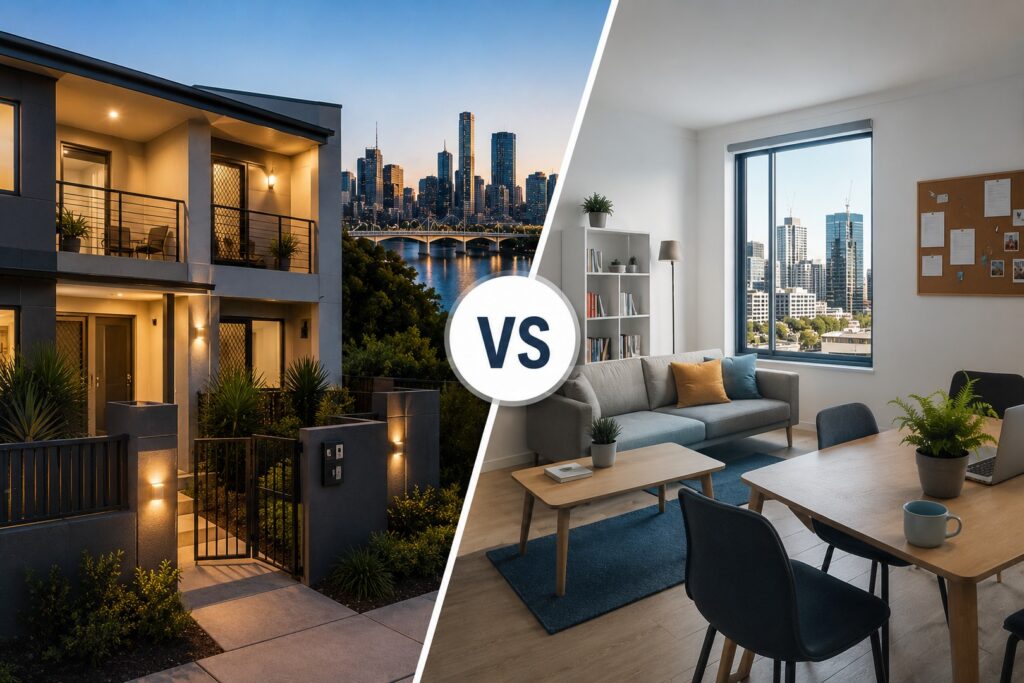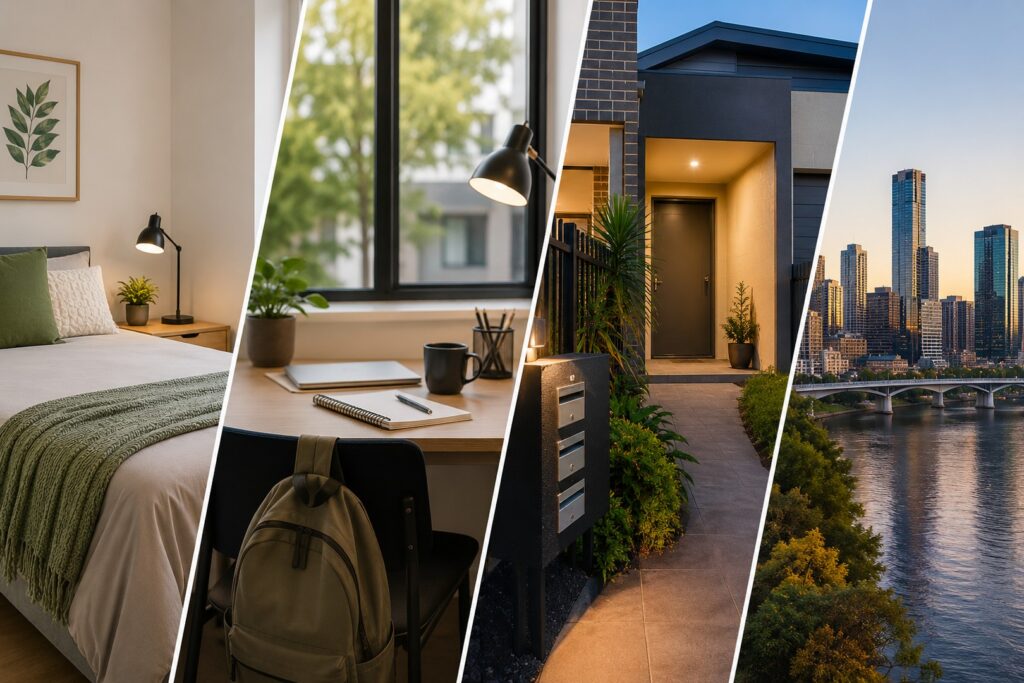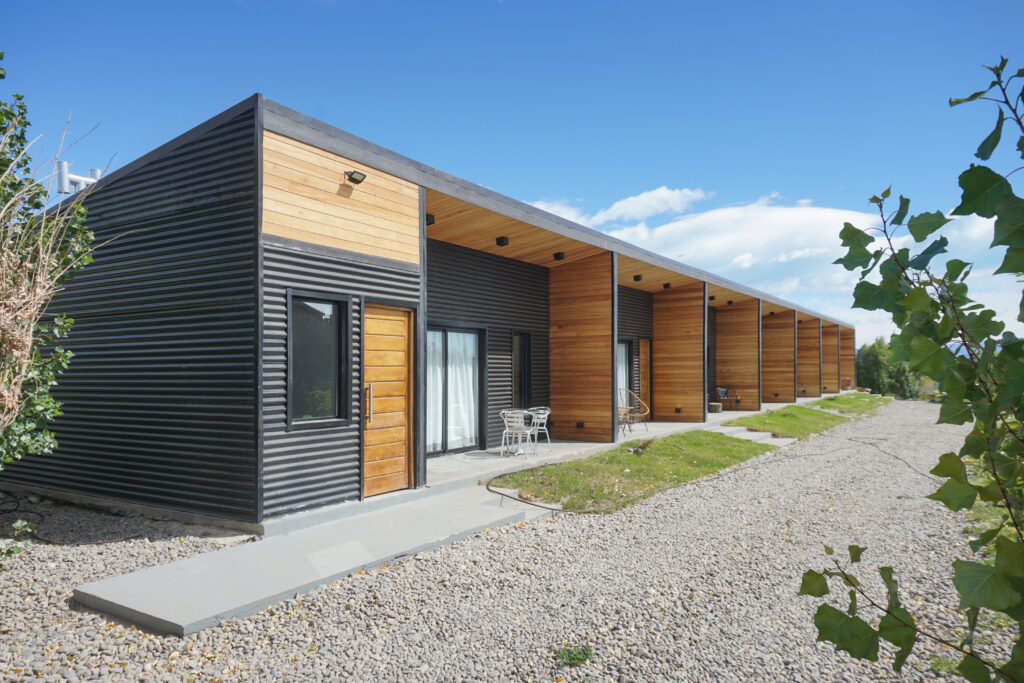
Converting an existing house into a rooming house works for many investors, but there’s something fundamentally different about purpose-built properties designed from the ground up for multiple occupants. The construction choices you make during the build phase determine whether you’re creating an asset that performs well for decades or one that becomes a maintenance nightmare within years.
Understanding which features actually matter separates successful rooming house developments from expensive mistakes dressed up as investments.
Sound Insulation: The Make or Break Feature
Nothing destroys tenant satisfaction faster than hearing every conversation, footstep and toilet flush from neighbouring rooms. Standard residential construction uses wall and floor assemblies adequate for families who know each other. Rooming houses need commercial-grade acoustic separation between private spaces.
This means double-stud walls with staggered framing, acoustic insulation batts rated for sound transmission control and resilient channels that prevent vibration transfer. Floors need similar treatment, especially between levels. Skipping these upgrades saves money during construction but costs far more in tenant turnover and ongoing complaints.
Smart housing solutions Brisbane developers implement acoustic treatments not as luxuries but as fundamental requirements. Tenants paying for private rooms expect actual privacy, including acoustic privacy that standard home construction simply doesn’t deliver.
Individual Climate Control
Shared heating and cooling systems create constant friction in rooming houses. One tenant wants arctic temperatures, while another prefers tropical warmth. The solution isn’t negotiation; it’s individual split-system air conditioners in each unit.
Yes, this multiplies your HVAC installation costs. It also eliminates disputes, gives tenants control over their own comfort and allows you to include utilities in rent without worrying about one person running the whole house air conditioning at maximum capacity.
Purpose-built rooming houses that include individual climate control achieve higher occupancy rates and justify premium rents compared to properties where tenants share communal systems or rely on portable units plugged into bedroom outlets.
Bathroom Ratios That Work
Building codes mandate minimum bathroom ratios for rooming houses, but code minimums aren’t the same as functional design. An investment housing developer in Brisbane with real operational experience will tell you that exceeding minimums pays dividends in tenant satisfaction and property performance.
One bathroom per three bedrooms represents a practical minimum that keeps morning routines manageable and reduces conflicts over shared space. Go beyond that ratio and you’re creating bottlenecks that frustrate everyone living there. Each bathroom should include proper exhaust ventilation, durable finishes that withstand heavy use and fixtures chosen for longevity rather than aesthetics alone.

Kitchen Design for Multiple Users
Communal kitchens in rooming houses need commercial thinking applied to residential spaces. Standard domestic kitchens buckle under the pressure of six or eight people preparing meals on different schedules with different cooking habits.
Purpose-built designs include oversized refrigeration with clearly divided storage sections, multiple sinks to reduce congestion and bench space that accommodates several people working simultaneously without collisions. Robust range hoods, slip-resistant flooring and easy-clean surfaces aren’t optional extras. They’re requirements for spaces that see restaurant-level usage patterns.
Fire Safety Beyond Code
Fire safety regulations for rooming houses exceed standard residential requirements, but good property development consultancy pushes further than minimum compliance. Hardwired interconnected smoke alarms, fire-rated doors on bedrooms, clear exit pathways and emergency lighting might exceed baseline requirements in your jurisdiction, but they’re worth including anyway.
Insurance companies notice comprehensive fire safety features. So do quality tenants who appreciate living somewhere that prioritises their safety over cutting construction costs.
The Foundation: Quality Building Envelope
Rooming houses generate more internal moisture than family homes through increased shower usage, cooking and occupancy. Without proper vapour barriers, adequate ventilation and quality external cladding, you’re building future mould problems into your walls.
This is where smarter housing thinking matters most. A properly constructed building envelope costs marginally more during construction but prevents expensive remediation work and protects your asset value long-term. Cheap cladding, inadequate flashing and poor ventilation design create problems that compound over years until major renovation becomes unavoidable.
Building For Longevity
Purpose-built rooming houses represent significant capital investments that need to perform reliably for decades. The construction features that matter aren’t always the ones that show in listing photos or impress during initial inspections. They’re the ones that keep operating costs manageable, tenants satisfied and your asset appreciating rather than deteriorating.
Building it right from the start costs less than fixing it later.
Key Takeaways
- Commercial-grade sound insulation is essential, not optional, for tenant satisfaction
- Individual climate control eliminates disputes and justifies premium rents
- Exceed minimum bathroom ratios for better functionality and tenant retention
- Fire safety features beyond code requirements protect insurance and tenant wellbeing
- Quality building envelope prevents expensive mold and moisture problems long-term
“Planning a purpose-built rooming house with quality construction features? Connect with our building team to discuss how proper design and construction create long-term value.”