In 2026, subdivisions and land development are becoming one of the strongest growth strategies for Brisbane and South East Queensland property owners.
With housing demand continuing to outpace supply, rising land values, and infrastructure expansion opening up new growth corridors, more landowners are now exploring how to unlock hidden value through subdivision and strategic development. The shortage of development-ready housing land remains one of the key drivers pushing this trend forward.
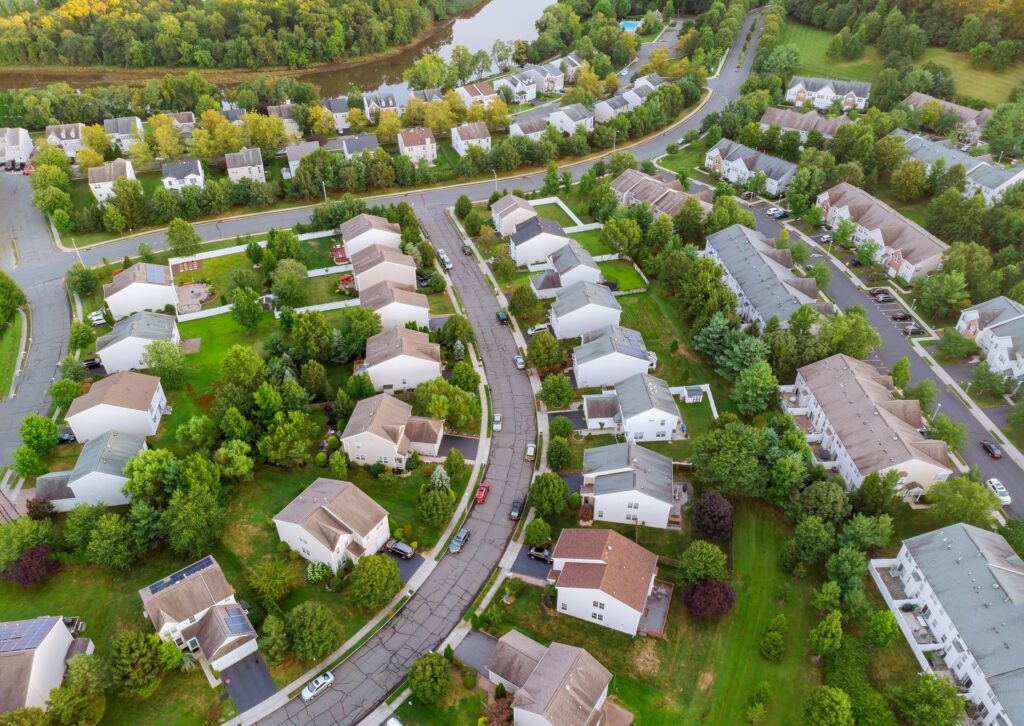
For families, investors, and developers, the opportunity is no longer limited to large greenfield estates. Smaller infill blocks, corner sites, older family homes on oversized lots, and middle-ring Brisbane suburbs are now becoming prime candidates for land subdivision Brisbane strategies.
1) Housing Undersupply Is Driving Land Demand
The biggest reason subdivisions and land development in 2026 are accelerating is simple: Australia still needs more homes than the current supply pipeline can deliver.
Population growth, interstate migration into Queensland, and low rental vacancy continue to place pressure on new housing stock. While approvals exist, much of the land is still waiting on infrastructure, services, or developer activation.
This creates a major opportunity for smaller landowners who already hold sites in established suburbs.
Typical high-opportunity blocks include:
- corner lots
- post-war homes on larger land
- dual-frontage blocks
- splitter blocks
- townhouse infill sites
- duplex-ready sites
This is where Indigo’s property development consultancy helps identify the highest and best use before design begins.
2) Rising Land Values Make Subdivision More Attractive
Land values across Brisbane and South East Queensland continue to strengthen in 2026, especially in well-serviced middle-ring and growth-corridor suburbs.
As land becomes more expensive, buyers are increasingly willing to purchase:
- smaller lots
- terrace homes
- duplex products
- narrow custom homes
- turnkey townhouses
This makes small lot development 2026 one of the most practical ways to improve project feasibility while keeping end-product pricing more accessible.
For existing homeowners, this can turn dormant backyard land into a second dwelling, townhouse pair, or premium resale opportunity.
3) Infrastructure Is Opening New Development Corridors
Another major reason subdivision is growing is infrastructure-led land activation.
New roads, transport upgrades, schools, retail precincts, and utility infrastructure across SEQ are making previously underutilised areas more viable for subdivision and redevelopment. Government-backed infrastructure sequencing is a major focus in 2026 as councils work to unlock housing supply.
This is especially relevant across:
- Moreton Bay
- Logan growth corridors
- Ipswich infill suburbs
- Redlands redevelopment pockets
- Brisbane middle-ring transport nodes
For developers, timing land activation around infrastructure upgrades can dramatically improve end value.
4) Smaller Developers Are Entering the Market
In 2026, subdivision is no longer only for large-scale developers.
More homeowners and first-time developers are entering the market through:
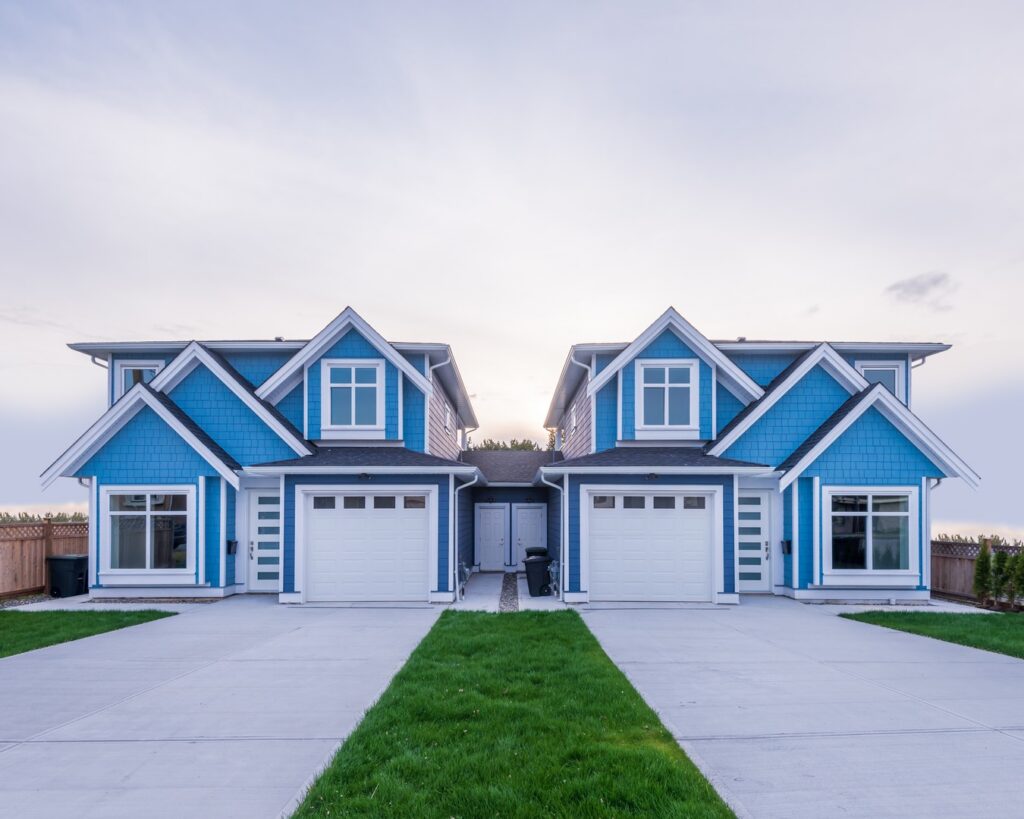
- duplex and townhouse development
- splitter block projects
- Retain and build strategies
- custom dual occupancy homes
- granny flat-ready subdivision
- small townhouse clusters
This creates an ideal opportunity for Indigo’s custom property development Brisbane service model, where feasibility, design, approvals, and build strategy are aligned from day one.
5) Development Flexibility Creates Better Exit Options
The biggest advantage of subdivision is future flexibility.
A well-planned subdivision site can create multiple exit strategies:
- build and sell
- hold one and sell one
- townhouse development
- land banking
- future staged development
- SMSF or family trust hold
- custom home + granny flat resale
This flexibility is why many property owners see subdivision as one of the strongest wealth-building strategies in 2026.
Frequently Asked Questions
- Why are subdivisions growing in 2026?
Because housing demand, land scarcity, and infrastructure upgrades are increasing the value of well-located subdivision sites.
- What sites are best for subdivision?
Corner blocks, large post-war lots, splitter blocks, and transport-linked infill sites usually perform well.
- Is subdivision better than selling as-is?
In many cases yes, because it can unlock significantly more land value and create multiple exit options.