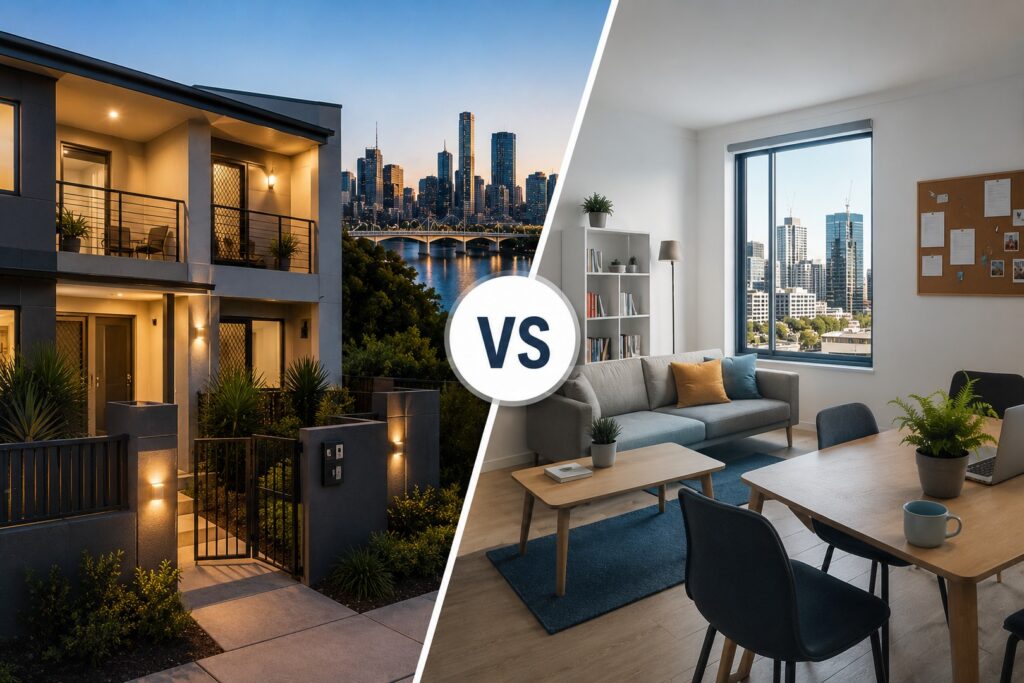
Converting a standard residential property into a rooming house sounds straightforward on paper. Find a house, add some bedrooms, and start collecting rent from multiple tenants. Reality hits differently when you’re knee-deep in council regulations and zoning restrictions that can make or break your investment before it starts.
The difference between a profitable rooming house and an expensive mistake often comes down to understanding these requirements before you buy, not after you’ve signed the contract.
Zoning: The First Hurdle
Not every residential property can legally become a rooming house. Brisbane councils classify land into different zones, and each zone comes with its own rulebook about what you can and cannot do with a property.
Most rooming houses need to be in zones that permit either multiple dwellings or community residential uses. Low-density residential zones typically designed for single-family homes often exclude rooming houses entirely. Medium and higher density zones usually offer more flexibility, but there’s no universal standard across Brisbane councils.
This is where smart housing solutions Brisbane investors rely on become critical. Before you fall in love with a property’s cash flow potential, you need to confirm the zoning permits your intended use. Assuming you can get approval later is how investors end up owning expensive properties they can’t legally operate as planned.
Land Size Matters More Than You Think
Even when zoning allows rooming houses, land size requirements add another layer of complexity. Councils typically mandate minimum lot sizes to prevent overcrowding and maintain neighbourhood character. These minimums vary significantly depending on location and zone classification.
Some Brisbane councils require 450 square metres as a baseline for rooming house conversions. Others push that figure higher, especially in areas where preserving suburban character is a planning priority. Inner-city zones might be more lenient, recognising the housing density these areas already support.
But land size isn’t just about meeting minimum thresholds. Larger blocks give you more conversion options, better outdoor space ratios per tenant, and additional parking solutions that smaller lots simply cannot accommodate. An investment housing developer in Brisbane with experience in rooming houses will tell you that having extra land creates flexibility when design challenges emerge during the approval process.
The Parking Problem Nobody Mentions
Here’s something that catches first-time rooming house investors off guard: parking requirements scale with tenant numbers. Council planning schemes typically require one parking space per two or three bedrooms in rooming houses. Convert a three-bedroom house into a six-bedroom rooming house, and you might need three or four parking spaces where one driveway existed before.
On smaller lots, meeting parking requirements can be physically impossible without expensive modifications or tandem parking arrangements. This is another reason land size matters beyond the basic zoning checklist.

Getting the Approvals Right
Property development consultancy becomes invaluable when navigating these regulations because the approval process isn’t simply about meeting written requirements. It’s about understanding how local councils interpret their own planning schemes and what documentation they expect to see.
Some councils want detailed site plans showing bedroom layouts, fire safety compliance, and waste management strategies. Others require traffic impact assessments if your rooming house exceeds certain bedroom counts. Missing any of these requirements means delays, resubmissions, and mounting holding costs while your property sits empty.
The Due Diligence Checklist
Before committing to any rooming house conversion, verify these fundamentals. Confirm the property sits in a zone that permits rooming houses without requiring special approvals that might not be granted. Check whether the land size meets or exceeds council minimums for your intended number of bedrooms. Calculate whether existing parking and outdoor space satisfy regulatory ratios.
Contact the local council directly or engage professionals who work with these regulations daily. A phone call asking whether a property suits rooming house conversion costs nothing. Buying the wrong property costs everything.
Working Within the System
Smarter housing isn’t about finding loopholes in zoning laws. It’s about understanding the system well enough to identify properties that naturally fit within regulatory frameworks. The best rooming house investments happen when land size, zoning, and location align without requiring special exemptions or fighting council decisions.
Regulations exist for legitimate reasons around safety, amenity, and neighbourhood planning. Working with them rather than against them creates better outcomes for investors, tenants, and communities alike.
Key Takeaways
- Not all residential zones permit rooming houses – verify zoning before purchasing
- Minimum land size requirements vary by council and zone classification
- Parking requirements scale with bedroom numbers and can be deal-breakers on small lots
- Professional guidance prevents expensive mistakes with non-compliant properties
- Contact councils early or engage experts who navigate approvals daily
“Need expert guidance on zoning requirements and site selection for your rooming house project? Speak with our experienced team who understand Brisbane council regulations and can help you identify compliant properties.”