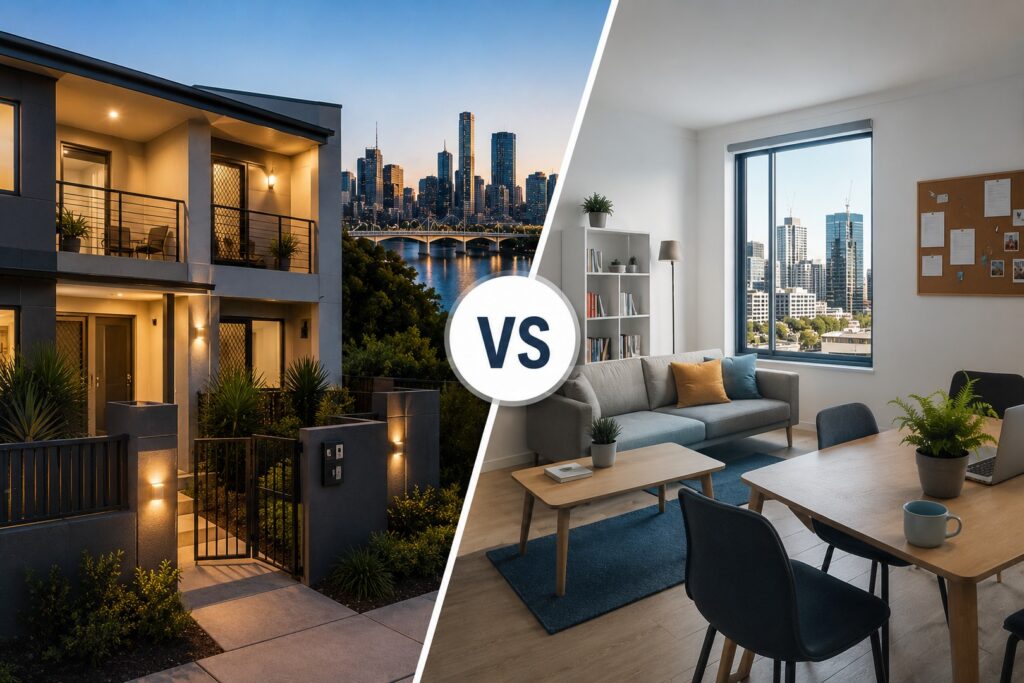
Operating a rooming house in Brisbane without proper licensing is illegal. It’s also risky, potentially exposing you to fines, forced closure and liability issues if something goes wrong. Yet many investors enter the rooming house market without fully understanding their legal obligations around licensing, safety standards and ongoing compliance.
The Queensland government regulates rooming houses through specific legislation designed to protect both operators and residents. These requirements aren’t optional extras. They’re fundamental legal obligations that determine whether you can legally rent rooms, maintain insurance coverage and avoid serious penalties.
Here’s the reality. Licensing and safety requirements might feel like bureaucratic hurdles, but they actually protect your investment. Properties that meet high safety standards attract better tenants, maintain higher occupancy, face fewer legal issues and command better resale values. Compliance isn’t a cost. It’s an investment in operational stability and long-term performance.
Indigo Construction Company understands these requirements deeply. As an investment housing developer in Brisbane, they design rooming houses with licensing and safety built into every aspect of the property. Their smart housing solutions ensure investors can obtain licences smoothly, meet safety obligations confidently and operate legally from day one.
Let’s break down exactly what licensing and safety requirements apply to Brisbane rooming houses, how to navigate them and why getting this right from the beginning matters more than most investors realise.
Who Needs a Rooming Accommodation Provider Licence?
In Queensland, operating a rooming house requires a rooming accommodation provider licence if your property houses six or more residents. This threshold is important because it determines whether licensing applies to your specific property.
Six or More Residents
If your rooming house can accommodate six or more people, you must hold a valid licence before accepting any tenants. This applies whether the property is purpose-built or converted from an existing house.
Fewer Than Six Residents
Properties housing fewer than six residents generally don’t require a rooming accommodation provider licence. However, they still must comply with building standards, tenancy laws and safety requirements. Just because you don’t need a licence doesn’t mean you can ignore regulations.
Licence Holder Requirements
The licence is issued to the property owner or the person/entity managing the rooming house. If you own multiple rooming houses, you need separate licences for each property.
How to Apply for a Rooming Accommodation Provider Licence
Obtaining a rooming accommodation provider licence involves several steps and requires specific documentation.
Application Submission
Applications are submitted to the Residential Tenancies Authority (RTA) through their online portal. You’ll need to provide detailed information about the property, your identity and evidence of compliance with safety standards.
Required Documentation
Your application must include the property address and ownership details, building and planning approvals showing the property is legally permitted as a rooming house, evidence of appropriate insurance coverage, a safety inspection report confirming the property meets safety standards and proof that you’ve passed fit and proper person checks.
Fit and Proper Person Assessment
Applicants must demonstrate they’re fit and proper to operate a rooming house. This assessment considers criminal history, previous tenancy or property management issues, financial stability and general character. Serious criminal convictions, particularly those involving dishonesty, violence, or property-related offences, can disqualify applicants.
Licence Fees
Licence applications require payment of government fees. These fees vary depending on whether you’re applying for a one-year or three-year licence. Three-year licences cost more upfront but work out cheaper annually.
Processing Times
Standard applications typically process within 20 business days if all documentation is complete and there are no issues with the fit and proper person assessment. Incomplete applications or complications can extend this significantly.
Indigo Construction Company’s property development consultancy includes guidance on the licensing process, helping investors prepare complete applications that move through approval efficiently.
Mandatory Safety Standards for Licensed Rooming Houses
Licensed rooming houses must meet specific safety standards covering fire safety, electrical systems, structural integrity and general amenity. These standards are assessed during mandatory safety inspections.
Fire Safety Requirements
Fire safety is the highest priority in multi-tenant accommodation. Licensed rooming houses must have interconnected smoke alarms installed in every bedroom, hallway and common area. These alarms must be hardwired to mains power with battery backup.
Fire extinguishers and fire blankets must be accessible, properly maintained and located in kitchens and common areas. Emergency lighting must illuminate exit paths, hallways and stairs. Exit signage must clearly mark emergency exits. Fire-rated doors and construction may be required depending on building size and layout.
Electrical Safety
All electrical systems must comply with current Australian Standards. This includes safety switches (RCDs) on power circuits, compliant wiring and switchboards, properly installed and maintained appliances and regular testing of safety switches.
Licensed electricians must conduct electrical safety inspections and certify that systems meet required standards.
Structural Integrity
Buildings must be structurally sound with no significant defects that compromise safety or habitability. This includes stable foundations, sound roofing, secure balconies and stairs and proper weatherproofing.
Plumbing and Gas
Hot water systems, gas appliances and plumbing must be installed and maintained by licensed tradespeople to Australian Standards. Gas systems require regular inspections and certifications.
General Amenity
Properties must provide adequate natural light and ventilation in bedrooms and common areas, functional kitchen facilities with sufficient cooking and storage space, adequate bathroom facilities based on resident numbers and secure locks on bedroom doors and external entry points.
Indigo Construction Company’s smart housing solutions integrate all these safety requirements into the design from the beginning, avoiding expensive retrofits and ensuring properties easily pass safety inspections.
Annual Safety Inspections
Licensed rooming houses must undergo comprehensive safety inspections every year. These inspections assess whether the property continues to meet safety standards.
Inspection Scope
Annual safety inspections cover fire safety equipment and systems, electrical safety including testing of safety switches, gas appliances and connections, plumbing and hot water systems, structural condition, security hardware and general maintenance and cleanliness.
Qualified Inspectors
Inspections must be conducted by qualified building inspectors or licensed tradespeople depending on the system being assessed. Fire safety might require a fire safety inspector, electrical systems require a licensed electrician and gas systems require a licensed gasfitter.
Inspection Reports
After inspection, you receive a safety inspection report detailing the property’s condition and any issues requiring attention. This report must be kept for your records and provided to authorities if requested.
Remedial Work
If inspections identify safety deficiencies, you must address them promptly. Serious safety issues may require immediate action. Failure to rectify identified problems can result in licence suspension or cancellation.
Record Keeping
You must maintain copies of all safety inspection reports for the duration of your licence period and make them available for audit if required.
Insurance Requirements
Licensed rooming house operators must maintain appropriate insurance coverage. This protects both the operator and residents.
Public Liability Insurance
Public liability insurance covering at least $20 million is mandatory. This protects against claims arising from injuries or property damage occurring on the premises.
Building and Contents Insurance
While not legally mandatory, building insurance is essential to protect your asset against fire, storm damage and other insured events. Contents insurance covering common area furnishings and appliances is also prudent.
Landlord Insurance
Landlord insurance policies designed for rental properties can provide additional coverage for rental income loss, tenant damage and legal expenses.
Evidence of Insurance
Your licence application must include evidence of public liability insurance. Policies must remain current throughout the licence period and you must notify authorities if coverage lapses.
Ongoing Compliance Obligations
Obtaining a licence is just the beginning. Operators have ongoing obligations throughout the licence period.
Display Licence Information
Your rooming accommodation provider licence number must be displayed prominently at the property and included in any advertising, tenancy agreements and communications with residents.
Maintain Accurate Records
You must keep detailed records of tenancy agreements, rent payments, maintenance and repairs, safety inspections, complaints and resolutions and resident information.
Notify Changes
Any changes to property ownership, management arrangements, contact details, or significant property modifications must be reported to the RTA.
Respond to Resident Complaints
Operators must have processes for receiving and addressing resident complaints about safety, maintenance, or tenancy issues. Ignoring complaints can lead to RTA investigations and licence problems.
Maintain Safety Standards
The property must continue meeting safety standards throughout the licence period, not just at inspection time. Regular maintenance, prompt repairs and proactive safety management are ongoing obligations.
Consequences of Non-Compliance
Operating without a licence or failing to meet safety requirements carries serious consequences.
Fines and Penalties
Operating an unlicensed rooming house can result in substantial fines. Individuals face penalties up to $13,000 and corporations can be fined significantly more. Repeated offences carry higher penalties.
Licence Suspension or Cancellation
Licensed operators who breach safety requirements or fail to maintain standards can have licences suspended or cancelled. This means you must cease operations immediately, evict residents and cannot operate until compliance is restored and a new licence is obtained.
Legal Liability
If residents are injured due to safety deficiencies and you’re operating without proper licensing or failing to meet safety standards, your legal liability increases significantly. Insurance may not cover claims arising from non-compliant operations.
Property Orders
In extreme cases, authorities can issue orders requiring property modifications, cessation of operations, or even prohibition of future use as a rooming house.
How Indigo Construction Company Ensures Compliance
Navigating licensing and safety requirements becomes much simpler when your property is designed for compliance from day one.
Indigo Construction Company’s approach integrates safety standards into design, ensuring fire safety systems, electrical infrastructure, structural integrity and all mandatory requirements are built in from the beginning rather than retrofitted later.
Their investment housing developer experience means they understand exactly what safety inspectors look for and design properties that pass inspections easily. This protects your ability to obtain and maintain licences without constant compliance struggles.
Their property development consultancy also includes guidance on the licensing application process, insurance requirements and ongoing compliance obligations so investors understand their responsibilities before committing to a property.
You can explore their compliant, investment-focused approach at IndigoConstructionCompany.com.au.
Key Takeaways
- Licensed rooming houses with six or more residents must hold valid rooming accommodation provider licences before accepting tenants.
- Applications require comprehensive documentation, including building approvals, safety inspections, insurance evidence and fit and proper person assessments.
- Fire safety is the highest priority compliance area, with strict requirements for smoke alarms, extinguishers, emergency lighting and exit signage.
- Annual safety inspections are mandatory and assess fire safety, electrical systems, gas appliances, plumbing, structural integrity and general amenity.
- Public liability insurance covering at least $20 million is legally required, with building and landlord insurance strongly recommended for asset protection.
- Ongoing compliance obligations include displaying licence information, maintaining records, notifying changes, addressing complaints and sustaining safety standards.
- Non-compliance carries serious consequences, including substantial fines, licence cancellation, legal liability and property operation orders.
- Designing for compliance from day one prevents expensive retrofits and licensing delays. Indigo Construction Company’s smart housing solutions integrate all safety and licensing requirements into rooming house design from the beginning, ensuring investors can operate legally and confidently. Explore their compliance-focused approach at IndigoConstructionCompany.com.au.