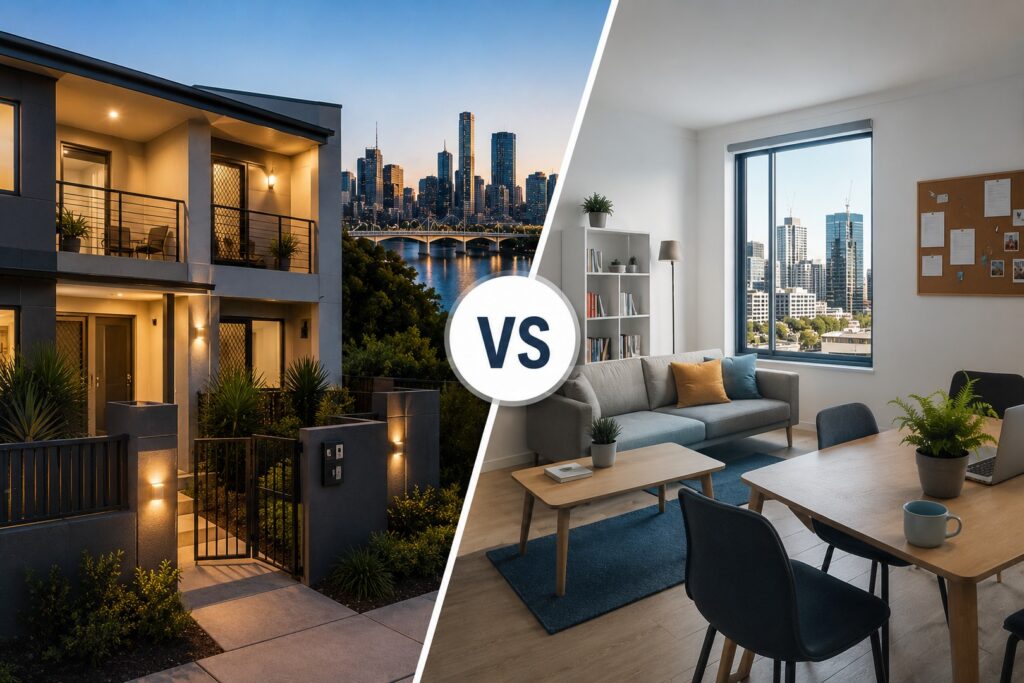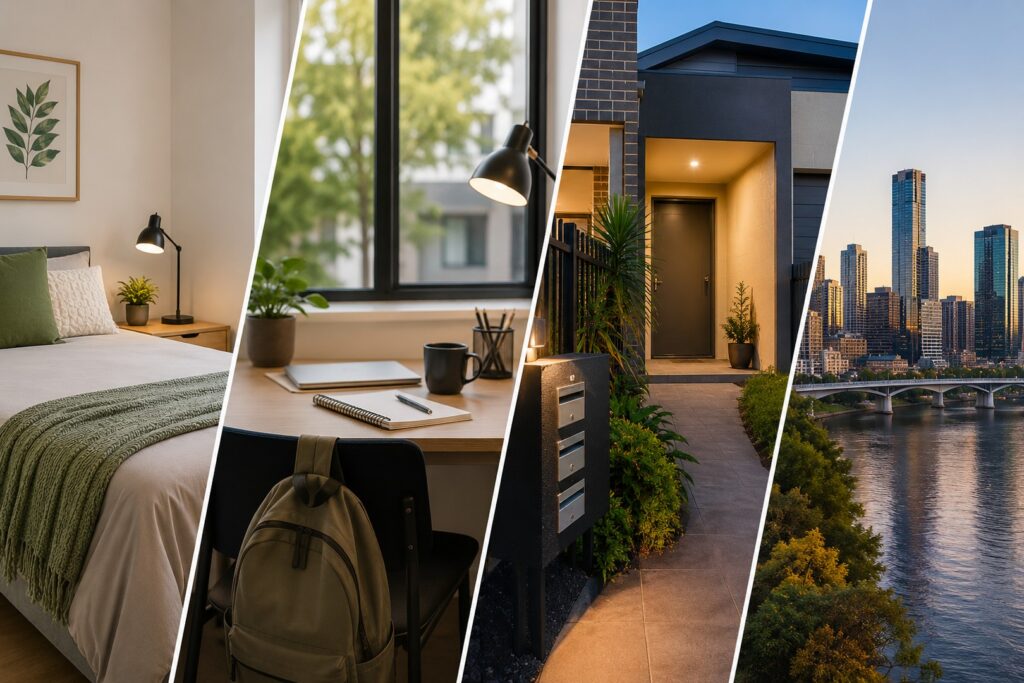
Market timing questions torture investors more than almost any other decision. Build now while conditions seem favourable or wait, hoping circumstances improve further? The answer for rooming house development in 2026 depends less on perfect timing and more on understanding specific market factors that either support or undermine project viability.
Several converging trends suggest 2026 presents compelling opportunities for investors who understand what they’re building and why.
Construction Cost Stabilization
After years of volatile material prices and subcontractor availability issues, Brisbane’s construction sector is showing signs of stabilisation. Smart housing solutions Brisbane developers report more predictable pricing and realistic completion schedules compared to the chaos of 2021 through 2024.
This stability matters enormously for rooming house developments where budget control determines whether projects achieve target returns. Fixed-price contracts actually mean something again when builders can secure material costs with reasonable confidence rather than inserting massive contingency buffers that inflate quotes.
Waiting for costs to drop significantly further seems optimistic given underlying inflation and wage growth pressures. The current stabilisation may represent the best pricing environment available for several years rather than a temporary plateau before further improvements.
Demand Fundamentals Remain Strong
Queensland’s population growth continues outpacing housing supply across all segments. The affordable housing gap that makes rooming houses commercially viable isn’t shrinking. If anything, it’s widening as traditional rental stock converts to owner-occupied housing and new apartment developments target premium market segments.
Investment housing developer Brisbane teams analysing demographic trends see sustained demand from students, essential workers, young professionals and people transitioning between housing situations. These tenant pools show no signs of contracting regardless of broader economic conditions.
Unlike luxury developments vulnerable to economic downturns, quality rooming houses serving genuine housing needs at accessible price points maintain occupancy through market cycles. Building when fundamental demand remains strong provides a cushion against potential economic headwinds.
Interest Rate Environment Shifting
While interest rates remain elevated compared to the 2020 to 2021 period, the trajectory appears to favour development timing in 2026. Property development consultancy experts anticipate gradual easing that makes project financing more manageable without returning to the unsustainable low rates that inflated property prices beyond reasonable levels.
Starting construction as rates potentially begin trending downward means you’re building during accessibility rather than waiting until improved conditions push land prices and competition higher. The investors who build during reasonable rate periods often outperform those waiting for perfect conditions that everyone else is also waiting for.
Regulatory Clarity Improving
Brisbane councils have developed clearer frameworks around rooming house approvals compared to the regulatory ambiguity of previous years. While still requiring professional navigation, the approval process has become more predictable for well-prepared applications meeting established criteria.
This clarity reduces development risk and timeline uncertainty that plagued projects even two years ago. Smarter housing investors capitalise on regulatory stability rather than hoping for further relaxation that may or may not
Competition Remains Manageable
Despite growing interest in alternative housing models, rooming house development hasn’t reached saturation levels where competition undermines returns. Markets showing genuine demand can absorb additional quality supply without triggering occupancy or rental pricing pressures.
The investors achieving the best results in 2026 won’t be those building in already oversupplied locations but those identifying suburbs where zoning permits development yet actual rooming house supply remains limited relative to tenant demand.
The Timing Reality
Perfect market timing exists only in hindsight. Investors waiting for ideal conditions often discover that by the time everything aligns, competition has intensified and opportunities have passed. The question isn’t whether 2026 represents the absolute best year historically to build rooming houses but whether current conditions support viable projects achieving target returns.
Construction cost stability, strong fundamental demand, clarifying regulations and manageable competition suggest 2026 offers reasonable development conditions. Whether it proves the smartest year depends on execution quality more than market timing.
Well-designed rooming houses built by competent teams in appropriate locations will likely perform regardless of whether 2026 proves optimal in retrospect. Poorly conceived projects will struggle even if broader conditions are favourable.
The smartest year to build is when you’re properly prepared with suitable sites, adequate capital, experienced teams and realistic expectations rather than waiting for perfect market conditions that may never arrive.
Key Takeaways
- Construction costs have stabilized after years of volatility, making budgets more predictable
- Fundamental demand for affordable housing remains strong and continues growing
- The interest rate trajectory appears favorable for 2026 development commencement
- Regulatory frameworks around rooming house approvals have become clearer and more predictable
- Competition exists but hasn’t reached saturation levels in most Brisbane submarkets
- Perfect timing matters less than quality execution, suitable locations and realistic planning
- Well-prepared investors can succeed in 2026 regardless of whether it proves historically optimal
- Waiting for perfect conditions often means missing opportunities as competition increases
Considering rooming house development in 2026 but uncertain about timing and market conditions? Speak with our property development team for current market analysis and project feasibility assessment.