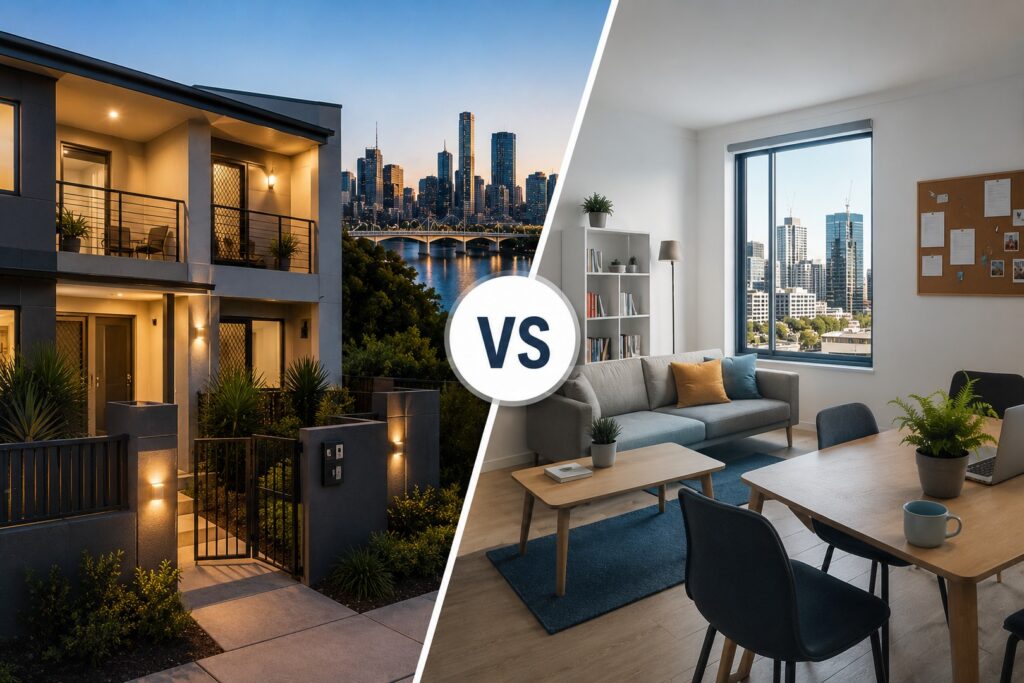
Converting an existing residential property into a rooming house can significantly improve rental yield, but the process requires much more than simply adding locks to bedroom doors. Turning a standard home into a compliant rooming house involves zoning checks, Class 1B compliance, fire safety upgrades, privacy planning, bathroom functionality, and smarter layout decisions that support both council approval and long-term returns.
For Brisbane investors, the opportunity is significant. A traditional rental yielding 3 – 5% can often be transformed into a positive cash flow rooming house delivering much stronger weekly returns when planned correctly. Indigo’s latest guide on rooming house conversion Brisbane zoning and land size requirements is the perfect first step for investors assessing feasibility.
1) Start With Zoning and Council Feasibility
The first step in any conversion is confirming whether the property’s zoning actually allows rooming accommodation.
Brisbane City Council treats rooming accommodation differently from a standard dwelling. Depending on the zone, lot size, overlays, and proposed number of occupants, approvals may differ significantly. In some lower-density areas, small-scale rooming accommodation with up to five bedrooms may be possible under prescribed requirements, but you still need to confirm overlays, parking, and neighbourhood amenity controls.
This is where Indigo’s property development consultancy process helps investors avoid buying the wrong site or overcapitalising on a non-compliant layout.
2) Upgrade to Class 1B Compliance
Most standard homes are Class 1A dwellings. A compliant rooming house conversion often requires Class 1B building compliance, which introduces additional life-safety and access standards.
Typical upgrades include:
- interconnected smoke alarms
- fire evacuation plans
- compliant exit paths
- emergency lighting where required
- fire-rated doors in some layouts
- secure individual room access
- minimum circulation space
- accessible ground-floor bathroom considerations
Working with an experienced rooming house builder Brisbane ensures these upgrades are designed into the conversion rather than added as costly rework later.
3) Redesign the Layout for Privacy and Yield
The most profitable conversions are not just compliant – they are designed for better tenant retention.
This means:
- private, lockable rooms
- better acoustic separation
- ensuite or semi-private bathroom access
- functional shared kitchen flow
- adequate laundry access
- natural light and ventilation
- secure common zones
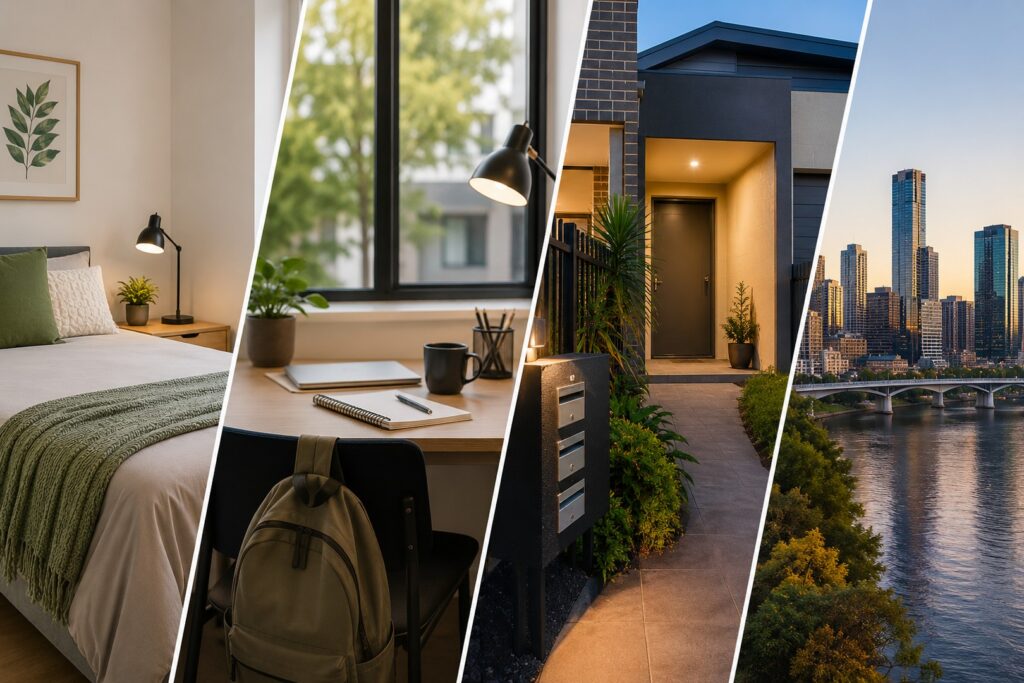
Indigo’s smart housing solutions Brisbane approach focuses on turning underperforming family homes into multi-tenant assets that feel purpose-built rather than improvised.
A smarter layout improves both compliance and occupancy performance, which directly helps increase rental yield.
4) Bathroom, Plumbing, and Kitchen Capacity
One of the most common compliance failures in older conversions is underestimating shared facility demand.
Queensland minimum standards require:
- adequate plumbing for the number of occupants
- reliable hot and cold water
- privacy in bathrooms
- flushable connected toilets
- functioning cooktop
- laundry plumbing if provided
For higher-yield assets, bathroom ratios and kitchen flow can be the difference between strong occupancy and frequent tenant turnover.
5) Compliance-First Conversions Protect Returns
The biggest mistake investors make is treating a rooming house conversion like a cosmetic renovation.
The real profit comes from combining:
- zoning feasibility
- compliance approvals
- Class 1B standards
- smarter design
- tenant privacy
- low-maintenance materials
- strong suburb demand
This is why many investors first review Indigo’s Converting Existing Brisbane Properties into Rooming Houses guide before starting design decisions.
Frequently Asked Questions
- Can I convert any standard home into a rooming house?
No. The zoning, lot size, overlays, parking, and layout must first allow rooming accommodation under Brisbane planning controls.
- Does a rooming house conversion need Class 1B?
In many cases, yes – especially where multiple unrelated occupants are renting individual rooms under separate agreements.
- What is the biggest conversion mistake?
Skipping zoning and compliance feasibility before renovation begins.