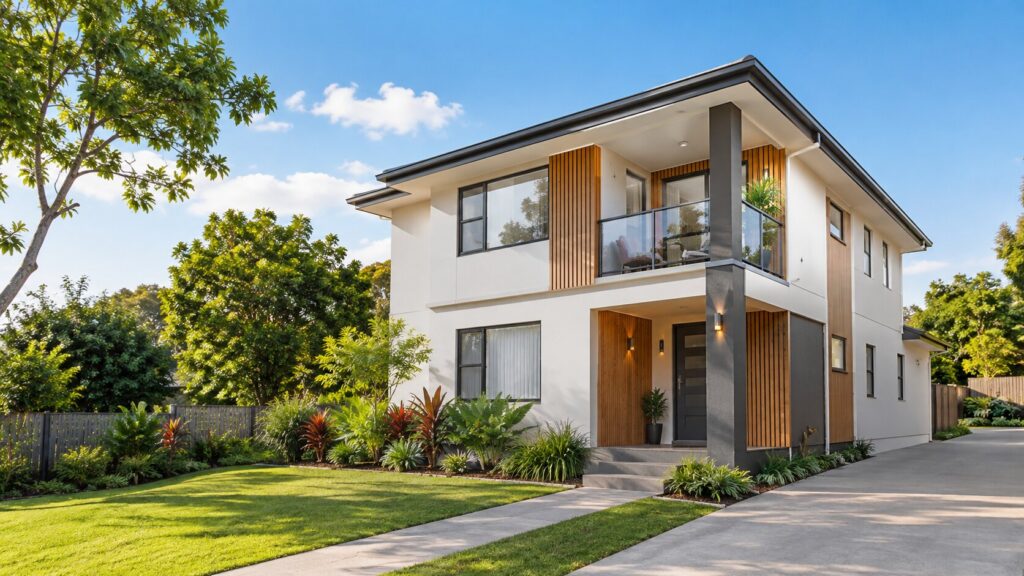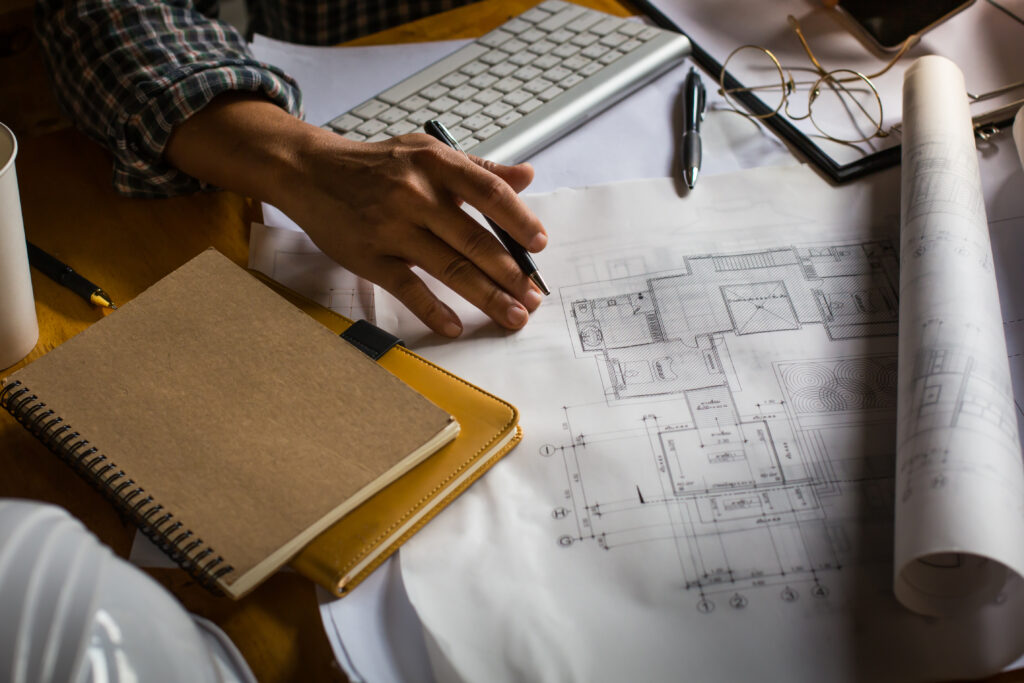
The difference between construction projects that finish on time and budget versus those plagued by delays and cost overruns usually traces back to planning quality before the first shovel breaks ground. Rushing into construction without comprehensive preparation might feel like progress but it’s actually the fastest route to expensive problems.
Every dollar and hour invested in thorough pre-construction planning returns multiple times over through smoother execution and avoided complications.
Budget Accuracy Depends on Planning Depth
Vague project scopes produce wildly inaccurate budgets that bear little resemblance to final costs. A custom home builder in Brisbane quoting a project without detailed plans and specifications can only provide rough estimates with massive contingency buffers protecting them against unknowns.
Comprehensive pre-construction planning, including finalised architectural drawings, engineering specifications, material selections and fixture schedules, allows accurate pricing that protects both builder and client. Smart housing solutions Brisbane developers implement detailed planning phases specifically to eliminate budget surprises during construction when options for cost control become severely limited.
Properties like rooming houses with complex regulatory requirements particularly benefit from thorough planning that identifies compliance costs, approval timelines and design constraints before committing to construction contracts.
Design Refinement Prevents Costly Changes
Changes during construction cost three to five times more than the same modifications during design phases. Moving a bathroom during planning might involve redrawing plans and adjusting estimates. Moving that bathroom after plumbing is installed means demolition, material waste, schedule delays and compounding costs across multiple trades.
Property development consultancy professionals dedicate substantial time to design refinement specifically because catching issues on paper costs hundreds while fixing them during construction costs thousands. Walking through designs virtually, testing furniture layouts, confirming door swings and verifying window placements eliminates the expensive surprises that plague rushed projects.
Custom homes/rebuilds/renovations achieving the best outcomes involve investing weeks or months refining designs until clients feel confident about every decision rather than making expensive modifications once construction begins.
Regulatory Navigation Before Breaking Ground
Council approvals, building permits, trade licensing verification and utility connections all require lead time that many investors underestimate. Starting construction before securing necessary approvals creates expensive delays when work stops awaiting permissions or, worse, requires modifications meeting conditions you hadn’t anticipated.
Thorough pre-construction planning includes complete regulatory navigation confirming exactly what approvals are needed, realistic timeframes for obtaining them and any design modifications required for compliance. This preparation prevents the costly holding periods where properties sit partially constructed, awaiting permissions that should have been secured earlier.
Subcontractor Coordination and Scheduling
Quality subcontractors book out weeks or months in advance. Pre-construction planning that identifies required trades, confirms availability and locks in schedules ensures projects flow smoothly rather than stalling while waiting for critical trades to become available.
Poor planning leads to situations where framers finish but electricians aren’t available for two weeks, forcing other trades to reschedule around delays that cascade through entire project timelines. The holding costs during these preventable delays quickly exceed whatever time seemed saved by rushing into construction.
Material Procurement and Supply Chain Management
Long lead time items like custom windows, specialized fixtures, or imported materials require ordering well before installation dates. Pre-construction planning identifies these items early, allowing procurement that aligns with construction schedules rather than discovering six-week lead times when materials are needed immediately.
Supply chain disruptions hit poorly planned projects hardest because they lack buffer time to accommodate unexpected delays. Well-planned projects build in appropriate contingencies and alternative material specifications if primary choices become unavailable.
Site Analysis and Preparation
Soil conditions, drainage requirements, existing service locations and site access all impact construction methods and costs. Thorough site analysis during pre-construction planning identifies these factors before they become expensive surprises requiring design changes or construction methodology adjustments.
Properties with challenging site conditions particularly benefit from investigation and planning that develop appropriate solutions before construction teams. Discovering unstable soil after foundations are designed costs exponentially more than identifying conditions during planning when designs can accommodate realities.
Risk Mitigation Through Planning
Every construction project carries risks around costs, timelines, quality and regulatory compliance. Comprehensive pre-construction planning doesn’t eliminate risks but it identifies them early when mitigation options remain flexible and affordable.
Smarter housing approaches recognize that time invested in thorough planning reduces overall project risk substantially compared to reactive problem-solving during construction when options narrow and costs escalate.
Key Takeaways
- Detailed planning enables accurate budgets with minimal contingency buffers protecting against unknowns
- Design changes cost three to five times more during construction than in planning phases
- Complete regulatory approval before construction prevents expensive delays and modifications
- Early subcontractor booking ensures smooth project flow without trade availability delays
- Long lead time material identification allows procurement aligned with construction schedules
- Comprehensive site analysis prevents expensive surprises around soil, drainage and services
- Thorough planning identifies risks early when mitigation options remain flexible and affordable
- Every hour invested in pre-construction planning returns multiple times through smoother execution
Starting a construction project and wanting to ensure thorough pre-construction planning? Work with our experienced team who prioritize comprehensive preparation that prevents costly surprises.